

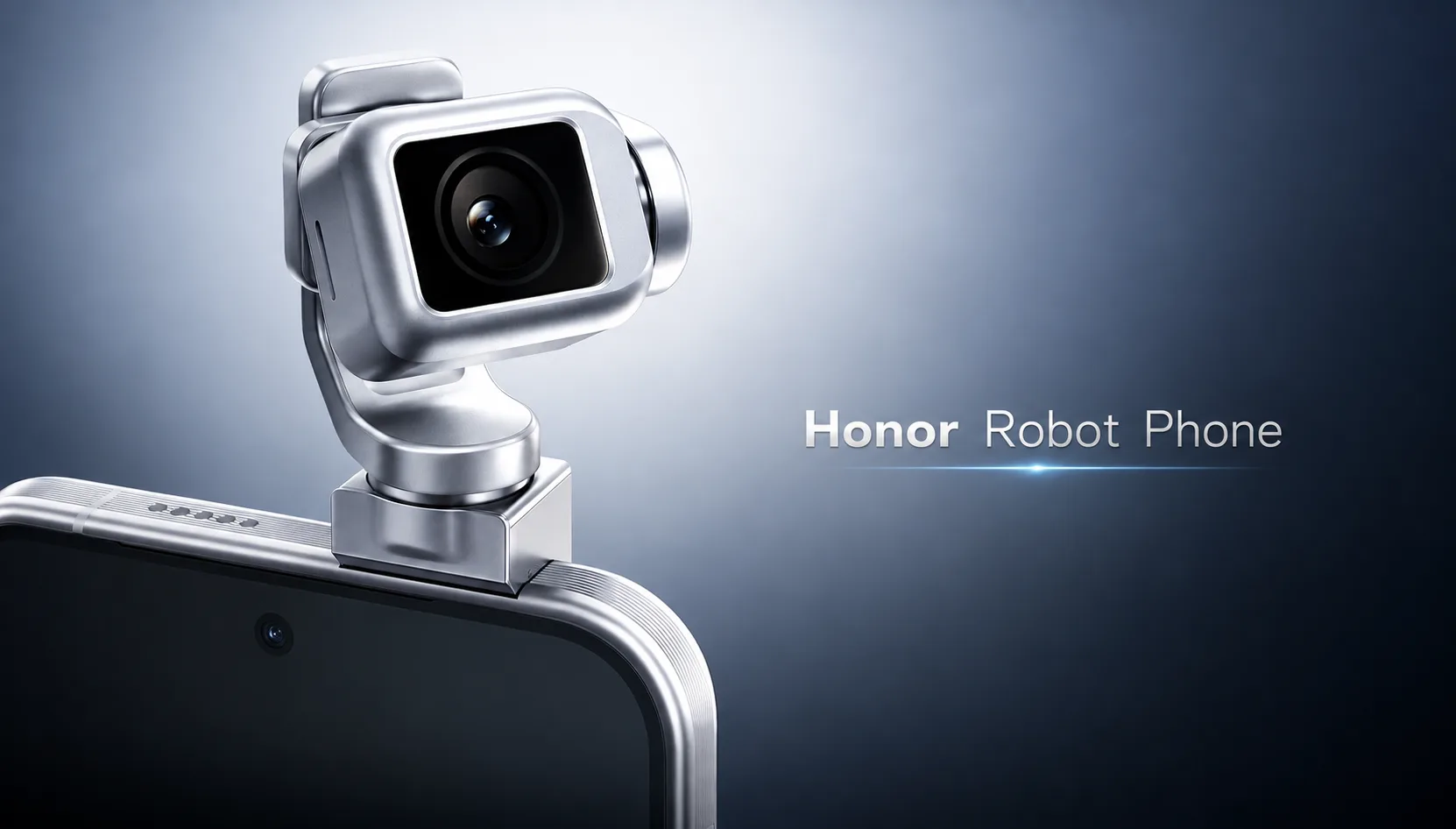
Imagine a phone that pops open its own camera, tilts to follow your face while talking, and spins a full 360 degrees to capture a shot you’d normally need a $200 gimbal rig for. That’s not a concept render anymore, it’s the Honor Robot Phone, and as of August 12, 2026, you can actually buy one.
Honor was teasing this device for nearly a year, first at MWC 2026 as a “new species of smartphone” before quietly turning the demo into a shipping product. The Honor Robot Phone is a truly unique piece of hardware with a titanium mechanical gimbal inside the camera bump and a flagship camera system built for people with actual interest in video.
This is not a puff piece. There, you will see what the Robot Phone actually does, how its specs compare to phones you could already buy, where it falls short (starting with availability), and whether it’s worth it if you can’t get one where you live.
What Is the Honor Robot Phone, Really?
Strip away the marketing language and the Honor Robot Phone is two products stapled together: a real, legitimate 2026 flagship Android phone, and a self-contained, motorized camera gimbal that lives inside the body until you activate it.

Honor Robot Phone first teased the concept alongside the launch of the Magic8 series and also gave press a hands-off look at MWC 2026 in Barcelona back in March. At the time, it really looked like it might stay a concept, a CGI render dressed up for a keynote. Honor spent the next few months turning it into a real, purchasable product and launched it commercially in China on August 12, 2026.
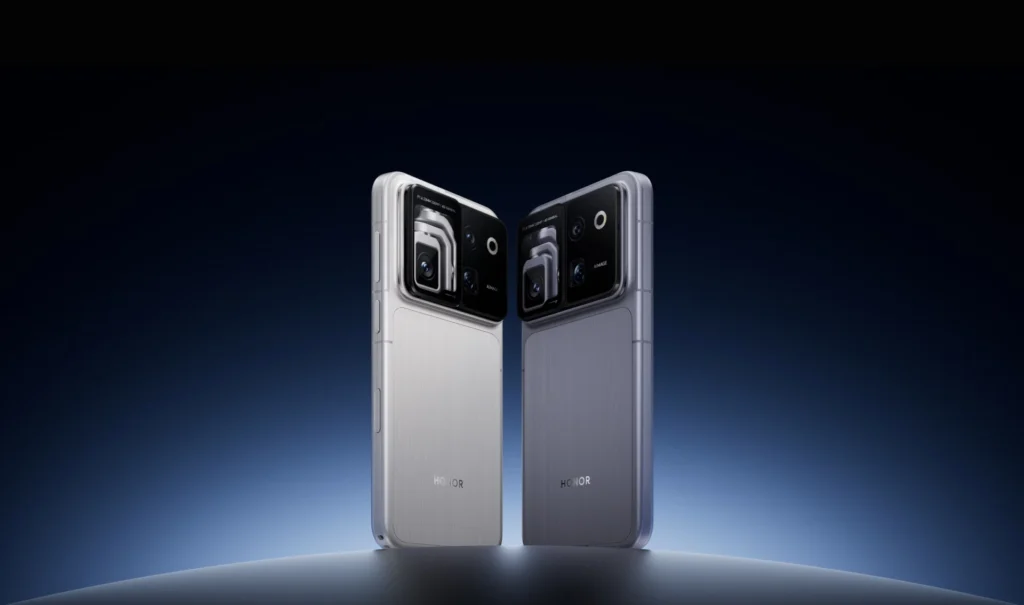
The name comes from that gimbal, which Honor’s marketing models as an “embodied AI” companion rather than just a camera gadget. Fold it down and there is a pretty generic camera bump at 9.59mm thick, the phone’s look close to a flagship. Flip on Robot Mode and the main 200MP camera rises out of the bump on a mechanical arm that can tilt, pan and rotate to follow a subject, follow your voice or hold a shot steady as you move.
Here’s what most coverage of this phone gets wrong: it treats the gimbal as a gimmick bolted onto an otherwise ordinary phone. In reality, the gimbal is doing real optical work, it’s replacing electronic or lens-shift stabilization with true mechanical stabilization, the same principle professional camera operators have relied on for decades, just shrunk down to fit in your pocket.
The Gimbal: How Honor’s Robotic Camera Arm Works
This is really worth slowing down for, because the engineering claims are unusually specific for a smartphone announcement.
Honor’s gimbal system (Titanium Agile Gimbal) is a 4-degrees-of-freedom mechanical assembly with over 100 precision components made over roughly 60 manufacturing steps. The company says the design took the footprint of a typical gimbal rig and cut it down by 65%, while making the structure 200% stronger, so it can be used for pocket life without the arm feeling fragile.
A few numbers stand out. Some numbers are notable:
- The titanium gimbal motor weighs only 2.6 grams but can move at 360 degrees per second.
- A flip motor that pops the whole assembly out of the body provides a torque density of 120 N·m per liter, which is usually quoted for industrial actuators, not phone components.
- The gimbal has several pre-built cinematic movement modes, including a tilt lock for steady handheld shots, an FPV-style follow mode, and a fast “spinshot” rotation.
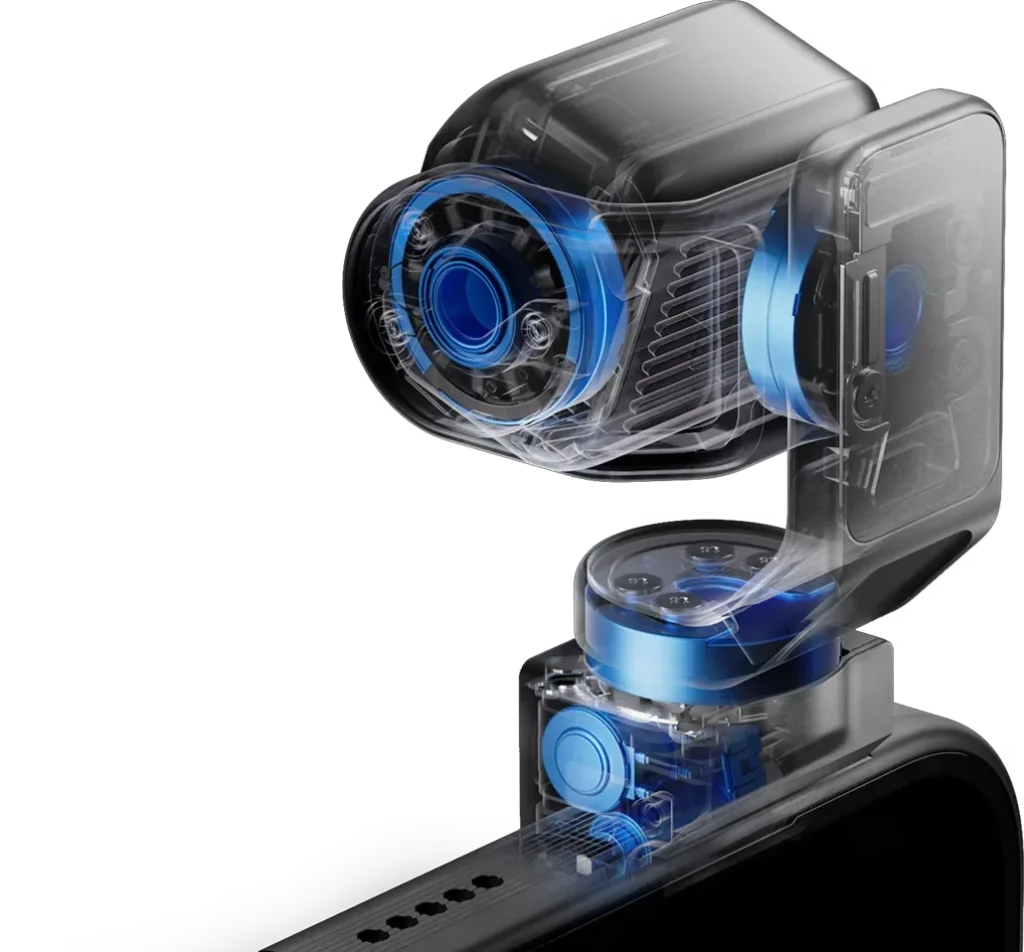
In practice, that means the 200MP main sensor (the one on the arm) gets genuine mechanical image stabilization on top of its own optical stabilization, instead of just software correction after the fact. For anyone who has tried to shoot a walking vlog on a regular phone and ended up with shaky, over-processed footage, that distinction matters more than the spec sheet makes it appear.
The other two cameras, 200MP telephoto and 50MP ultrawide, stay fixed in the traditional camera bump and don’t get the gimbal treatment, so the robotic tricks are reserved for the main shooting lens.
Full Specs Breakdown
Here is the whole picture, taken from Honor’s own listing and hands-on coverage from launch day.
| Component | Honor Robot Phone |
| Chipset | Qualcomm Snapdragon 8 Elite Gen 5 + Honor H1 imaging chip |
| Display | 6.31-inch FHD+ OLED |
| RAM / Storage | Up to 16GB / 512GB |
| Main Camera | 200MP, Type 1/1.28 sensor, 23mm equivalent, f/1.6, on the gimbal arm |
| Telephoto | 200MP, Type 1/1.4 sensor, 62mm equivalent, f/2.6, optically stabilized |
| Ultrawide | 50MP, 10mm equivalent, f/2.0 |
| Battery | 7,060mAh silicon-carbon cell |
| Charging | Up to 120W wired |
| OS | Android 16 with MagicOS |
| Thickness / Weight | 9.59mm / 248g |
| Price (China) | RMB 9,999 (roughly $1,500 USD) |
Two things make sense here. First, the 7,060mAh battery is really big for a phone this thin, Honor is using silicon-carbon cell chemistry that packs more capacity into a smaller volume, and it’s a trend that’s been creeping in on Chinese flagships for the past two years, and it’s finally coming to life in a device with this much moving hardware to power. Second, this is not a light phone at 248 grams. The gimbal mechanism has weight cost, and Honor Robot Phone hasn’t hidden that.
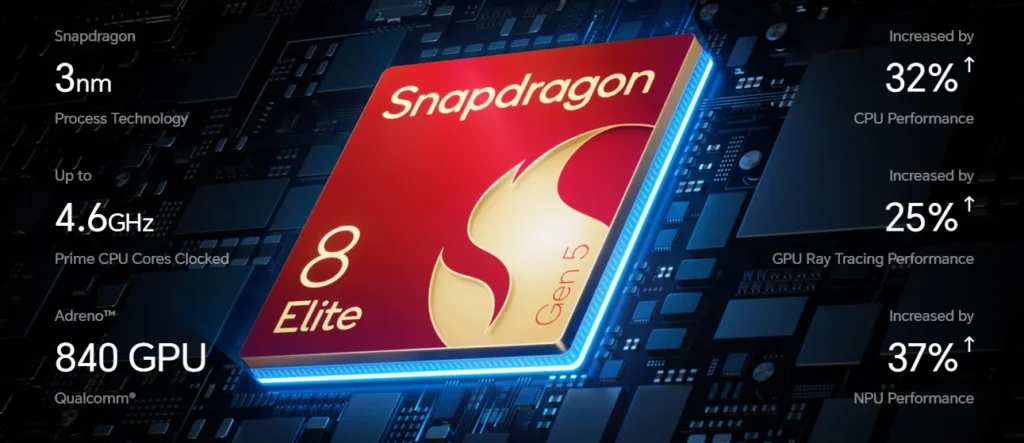
The Snapdragon 8 Elite Gen 5 puts this squarely in 2026 flagship territory on raw performance, and the pairing with Honor’s own H1 imaging chip is what actually drives the camera system, more on that below.
The ARRI Partnership: Why It Matters for Video
Honor Robot Phone didn’t build the camera pipeline alone. The Robot Phone is the first product to come out of a formal Cinematic Imaging Partnership between Honor and ARRI, the company that makes the cameras used on most big-budget film sets.
That partnership is reflected in a few concrete ways rather than just the box logo:
- The phone can record with ARRI’s LogC3 color science and ARRI Wide Gamut 3 and get the same flat, grade-ready color profile professional cinematographers shoot with and even real-time preview of ARRI’s signature color looks.
- AI noise reduction is applied early in the RAW image domain, before the rest of the processing pipeline touches the footage, improving signal-to-noise by 8dB and up to 14 stops of dynamic range.
- Video can be recorded as 10-bit 4:2:2 footage in LogC3 with support for 10-bit 4:2:2 APV lossless encoding, and DaVinci Resolve for editing.
If those terms mean nothing to you, here’s the plain-English version: this phone is trying to give hobbyist and semi-pro video creators a color and dynamic range workflow that used to require a dedicated camera and hours of manual grading— built right into the stock camera app.
YOYO Robot Mode and the AI Layer
The software side is just as hard behind the “robot” branding. Honor’s YOYO assistant is given a Robot Mode, which the company describes as a combination of multimodal perception, contextual understanding, gesture recognition and physical movement— meaning the gimbal doesn’t just track your face, it responds to voice commands and reacts to what it sees in the frame.
In practice, this powers features like:
- Automatic subject tracking that pans and tilts the gimbal to keep a moving subject centered during a vlog or livestream.
- Voice-source localization, so the camera can turn toward whoever’s speaking in a group shot.
- Gesture-based framing adjustments, letting you reposition the shot without touching the screen.
Honor Robot Phone also took on the “personality” angle at its hands-on demos earlier this year, where the gimbal apparently danced and moved along to music during press previews; that was a strategy to make the hardware look less like a camera accessory and more like a small companion device.
Honor Robot Phone vs. iPhone and Galaxy: How It Compares
There’s no gimbal camera phone from Apple or Samsung to compare this against directly, so the fairer comparison is with the current flagship class it’s actually competing against on price and specs.
| Feature | Honor Robot Phone | iPhone 17 Pro Max | Galaxy S26 Ultra |
| Starting Price | ~$1,500 (China only) | ~$1,199 (US) | ~$1,299 (US) |
| Main Sensor | 200MP, mechanically gimbaled | 48MP | 200MP |
| Stabilization | Mechanical (4-DoF gimbal) | Optical / sensor-shift | Optical |
| Battery | 7,060mAh | ~4,700mAh (est.) | ~5,000mAh |
| Standout Feature | Titanium robotic gimbal camera | Ecosystem, chip efficiency | Display and S Pen |
| Global Availability | China only, at launch | Global | Global |
The Robot Phone wins on raw camera hardware and stabilization method, nothing else on this list has mechanical gimbal stabilization built in. It also wins comfortably on battery capacity. Where it loses is the obvious one: you can’t buy an iPhone or Galaxy flagship only in one country, and right now that’s exactly the position Honor Robot Phone has put itself in.
Honor Robot Phone Price and Availability: The Catch
This is the part of every headline about the Robot Phone you see has to touch on. It launched at RMB 9,999, which is equivalent to about $1,500 USD, and is sold only in China. Honor Robot Phone has not announced international pricing, a global release date, or even a launch date in the world.
That’s worth sitting with for a second because it changes what kind of article this actually is. If you’re in the US, UK, or most of Europe searching for where to buy the Honor Robot Phone or how much it costs in your currency, the honest answer right now is: you can’t, and there’s no confirmed timeline for that changing.
Honor Robot Phone has a history of releasing flagship devices (like the Magic series foldables) in various markets after a China-first release, with different specs and prices. If the Robot Phone follows that trend or remains a China exclusive (as some experimental Honor and Xiaomi phones have done) then it is truly unknown at the moment. If you don’t live in China, importing is the only option and that is not without some of the usual caveats: no local warranty support, software/region lock up, and MagicOS running without full localization in some parts of the world.
Who This Phone Is Actually For
Be honest about this one, because the Robot Phone is not a phone that makes sense for most people.
It makes sense if you’re a content creator, vlogger or hobbyist filmmaker who’s already using a phone and a separate gimbal rig and would really benefit from collapsing them into one pocketable device with professional color science built in. It also makes sense if you’re simply that early adopter who wants the latest piece of smartphone engineering before anyone else has it, price and import hassle aside.
It makes a lot less sense if you just want a great everyday flagship camera phone. The extra weight, thickness, and mechanical complexity of the gimbal exist to solve a problem most casual phone photographers don’t have. A Pixel, iPhone, or standard Galaxy Ultra will make you good stills and solid video without the import risk or moving parts to worry about long term.
Conclusion
The Honor Robot Phone isn’t hype dressed up as innovation, the gimbal mechanism, the ARRI color pipeline, and the 200MP mechanically stabilized main camera are all real, shipping, and genuinely different from what Apple or Samsung currently sell. The catch isn’t the engineering. It’s that for most of the world outside China this phone does not exist.
If you’re outside China, the next step is patience, not purchase: Honor needs to see if it can take this to global markets as it has done with other Magic-series devices and use the current China-only launch as a proof of concept for where mobile cameras are heading. If you’re in China and want to shoot real video, this is worth a look in person before you decide, spec sheets don’t tell you what a gimbal that actually moves feels like to use.
Frequently Asked Questions (FAQs)
Q. Why is Honor Robot Phone not released in the US?
A. Not at launch. It’s currently sold exclusively in China, priced around RMB 9,999 (roughly $1,500 USD), and Honor Robot Phone hasn’t confirmed a US or global release date.
Q. What makes the Honor Robot Phone’s camera different from a normal phone camera?
A. Its main 200MP sensor is positioned on a titanium mechanical gimbal that physically tilts, pans and rotates: it is true mechanical stabilization, not software or lens-shift correction like most phones.
Q. Does the Honor Robot Phone work with DaVinci Resolve?
A. Yes. It can output 10-bit, 4:2:2 video in ARRI’s LogC3 format with native DaVinci Resolve compatibility, as creators want to grade footage professionally after shooting.
Q. What chip does the Honor Robot Phone use?
A. It runs on the Qualcomm Snapdragon 8 Elite Gen 5, and Honor’s own H1 imaging chip that handles the camera processing pipeline alongside the ARRI-tuned color science.
Q. How big is the battery on the Honor Robot Phone?
A. It packs a 7,060mAh silicon-carbon battery with up to 120W wired charging, which is unusually large for a phone that’s 9.59mm thick.