

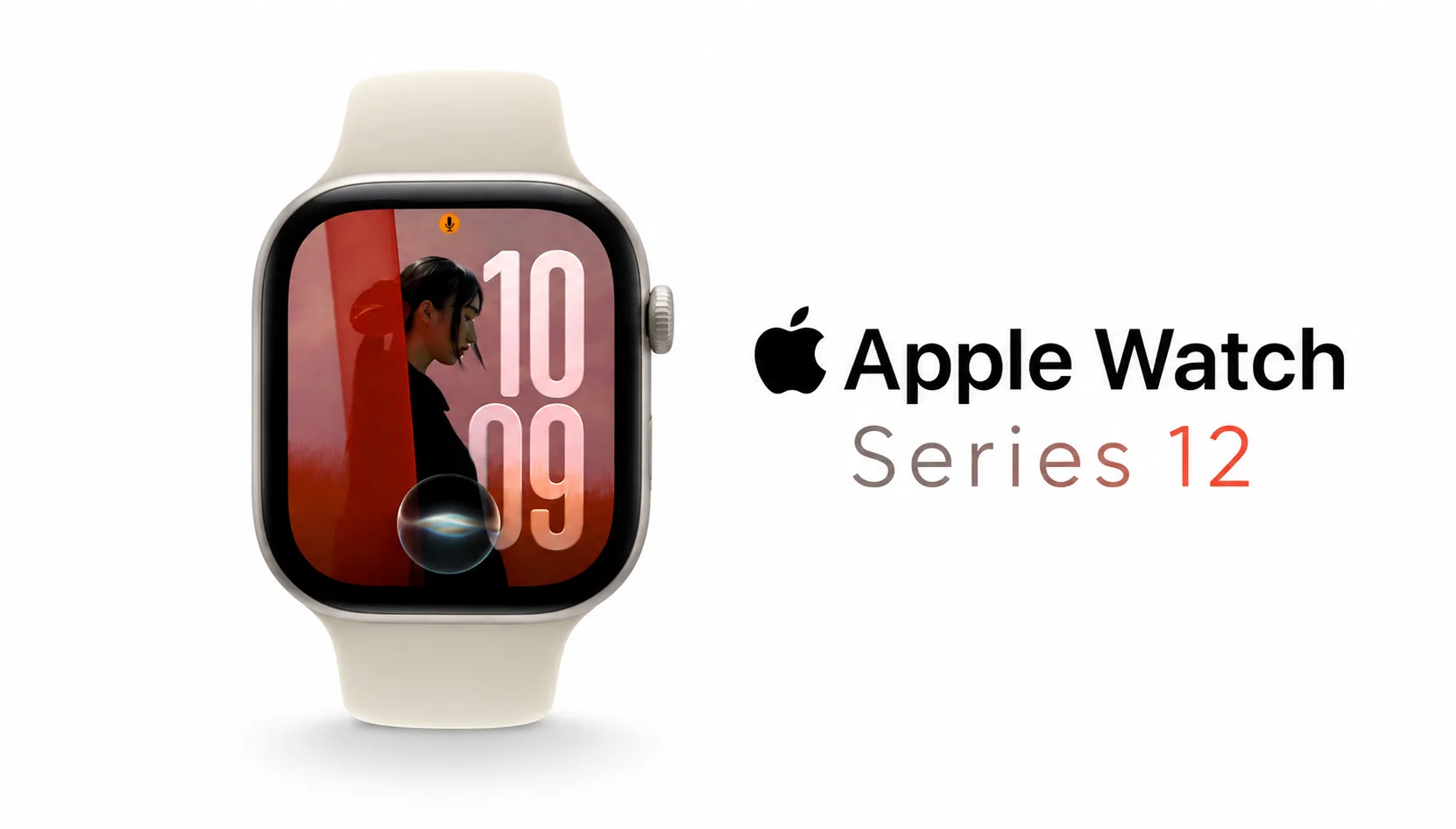
The Apple Watch Series 12 looks almost identical to last year’s model. The changes sit underneath: a new sensor array, a faster chip, and one small gesture that changes how you use the watch. This review brings together Apple’s published specs and the experience of reviewers who wore it for about a week before launch. We haven’t had one on our own wrists, so we won’t pretend we have. We’ve focused on what those early owners found, where their reports agree, and what you should check before spending $399 or more.
Quick answer
The Apple Watch Series 12 is the best regular Apple Watch you can buy, and it’s a clear upgrade if you own a Series 9 or older. Heart rate tracking runs far more often, the new Readiness score is free, and the one-tap gesture makes hands-free use practical. Battery life hasn’t moved past a day, and the headline Audio Intelligence features aren’t out yet. Prices start at $399 for the 42 mm model and $449 for the 46 mm, with aluminum, titanium, and ceramic options.
Buy it if you track workouts, sleep, or recovery and your current watch is three or more years old.
Skip it if you have a Series 11 and don’t care about finer heart data, or you want multi-day battery.

Key info at a glance
| Feature | Detail |
| Model | Apple Watch Series 12 |
| Sizes | 42 mm, 46 mm |
| Starting Price (US) | $399 (42 mm), $449 (46 mm) |
| Chip | S11 |
| Battery Life | Up to 24 hours (Apple figure) |
| Durability | WR50 water resistance (50 m), IP6X dust resistance |
| Finishes | Aluminum, Titanium, Ceramic |
| Standout Feature | Continuous heart rate sampling every 5 seconds |
| Main Drawback | Still requires daily charging |
Aluminum comes in dark bronze, light gold, black, and Space Gray. Titanium comes in Radiant Gold and Natural and ceramic in Pearl White and Night Blue. Every finish carries WR50 water resistance and IP6X dust resistance.
Apple Watch Series 12 price in the US
Apple kept the 42 mm aluminum model at $399, the same as the Series 11. The 46 mm aluminum model now starts at $449, a $20 increase over the $429 Apple has charged for the larger size since the Series 4. Stepping up a size now costs you $50 instead of $30.
| Case Material / Connectivity | 42 mm | 46 mm |
| Aluminum (GPS) | $399 | $449 |
| Aluminum (GPS + Cellular) | $499 | $549 |
| Titanium (Cellular only) | $699 | $749 |
| Ceramic (Cellular only) | $899 | $949 |
| Hermès Edition | From $1,399 | From $1,449 |
Titanium and ceramic cases ship only with GPS + Cellular, which explains the jump. Apple Upgrade leasing starts at $11.99 a month over 24 months for the base model, and Apple’s trade-in program offers $30 to $430 off when you hand in an older Apple Watch.
What is new with the Apple Watch Series 12?
You can sum up the Apple Watch Series 12 as a sensor and software upgrade in last year’s body. Here’s the list.
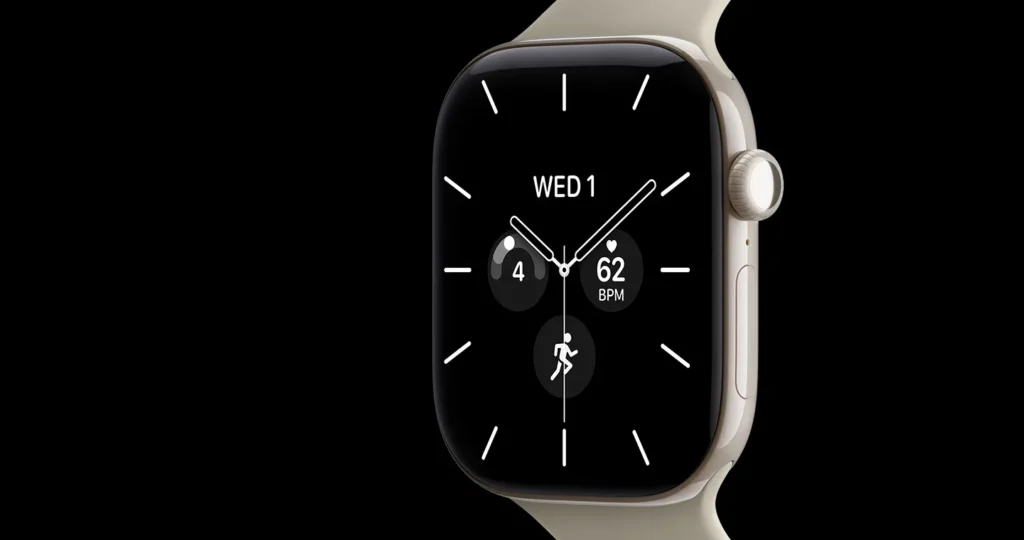
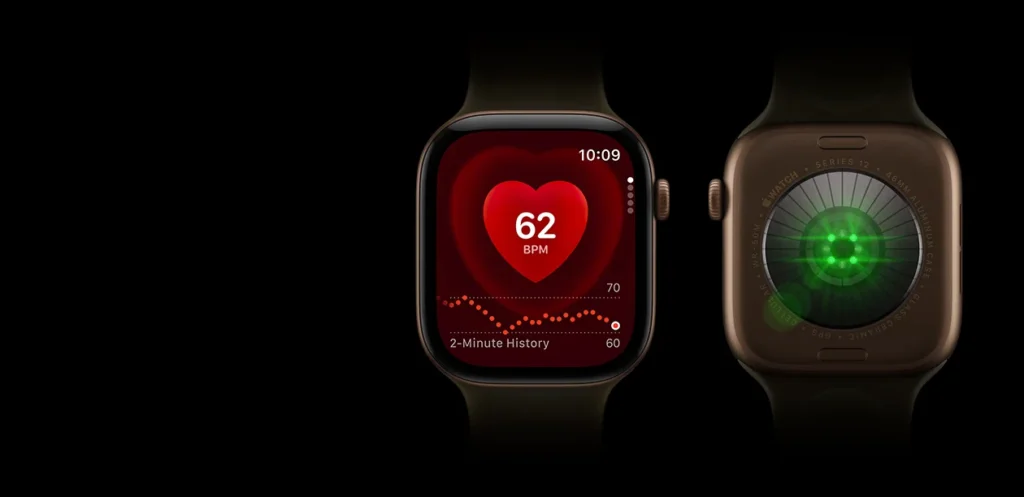
The Health Sensing System. Flip the watch over and you’ll see the biggest change. Apple enlarged the electrode surface for better skin contact during ECG readings, arranged the photodiodes in a ring, and fitted larger, more efficient green LEDs. The payoff is sampling frequency. Background heart rate readings used to happen every five minutes and now happen every five seconds. HRV readings, once taken every two to four hours, can now come as often as every five minutes.
A new HRV measurement. Apple used to calculate only SDNN, which needs a large sample to mean much. The faster sampling lets the Apple Watch Series 12 calculate RMSSD as well, which works better in short bursts during or after training. If you’ve followed recovery metrics on Garmin or Whoop, RMSSD will look familiar.
Readiness. Each morning, the watch looks at your recent activity, vitals, and sleep and gives you a score telling you to recover, pace yourself, or push harder.
A one-tap gesture. The Apple Watch Series 12 recognizes a single tap on top of the double tap and wrist flick that the Series 11 supports.
Audio Intelligence. This is the controversial part. Live Rewind shows a transcript of the last 15 seconds of speech around you, and Siri Recap pulls titles, summaries, and key points from conversations. Apple says the features don’t create or store audio recordings. Neither one works yet (more on that below).
New materials. Aluminum models now get Ceramic Shield, which Apple says makes the screen 60% tougher. Ceramic cases are back for the first time since 2019.
What stands out in everyday use
A spec sheet tells you what changed. It won’t tell you which changes you’ll notice on a Tuesday afternoon. Reviewers who wore the Apple Watch Series 12 for a week kept coming back to the same few things.
The one-tap gesture matters more than it sounds
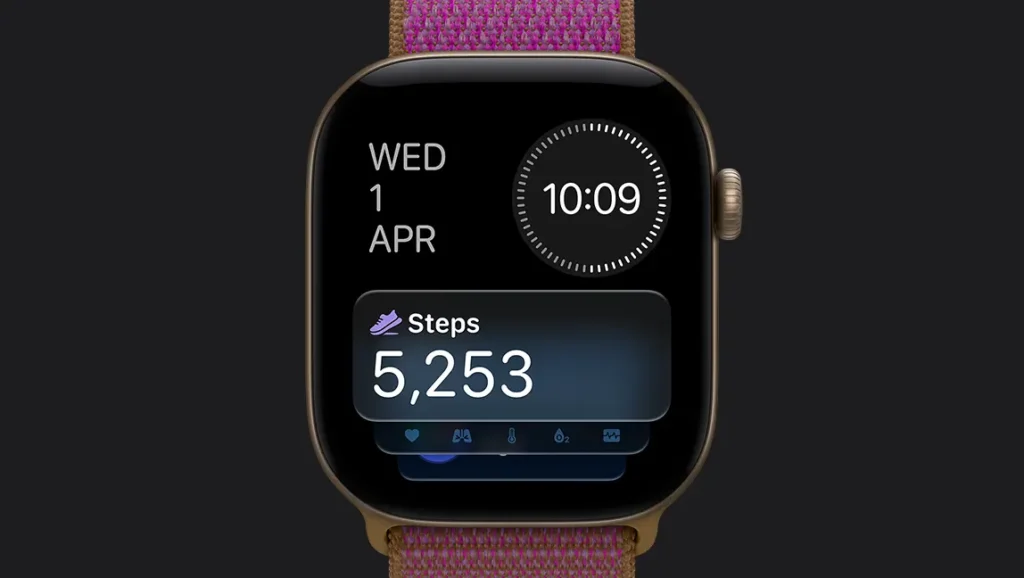
This is the sleeper feature. Engadget’s Cherlynn Low called it her favorite addition, noting that the three gestures together with the Smart Stack finally make hands-free use of the watch functional. With a double tap alone you could scroll cards but not do much with them, and separating single and double taps unlocks far more. She also found that the watch picked up the new gesture fast and without misfires.
Picture when you’d use it: carrying groceries up the subway stairs with one hand on the rail, cooking with wet hands, holding a coffee and a leash on a morning dog walk, or holding a baby. On older watches, a double tap could dismiss a timer or answer a call. On the Apple Watch Series 12, you can scroll to a widget and open it without touching the screen.
You’ll glance at your heart rate instead of opening an app
The five-second sampling feeds a new heart rate complication for your watch face. Low said it saved her from pressing, swiping, and hunting for the dedicated app to see her exact beats per minute. That sounds minor. In practice, anyone doing zone 2 cardio or keeping an eye on a resting rate after a bad night’s sleep will use it several times a day.
On accuracy, Apple claims the Apple Watch Series 12 is the most accurate wearable for heart rate. Independent evidence is thin so far. Low’s comparison found readings landing within two beats per minute of the Fitbit Air she wears daily in most cases. That’s encouraging, but one reviewer checking against another wrist device doesn’t settle the question. Wait for chest-strap comparisons from sports reviewers before you lean on Apple’s claim.
HRV data shows up from day one
Most wearables make you wait a week before recovery data means anything. With the Apple Watch Series 12, Low started seeing HRV numbers before the seven-night baseline finished, which she linked to the new RMSSD readings. If you’ve only started paying attention to HRV, you get feedback right away.
Readiness updates through the day, and you don’t pay for it
CNET’s Vanessa Hand Orellana pointed out what separates Apple’s approach from rivals. Many wearables give you a single fixed score each morning. Apple keeps measuring daytime vitals, adjusts your score on a 0 to 10 scale as the day goes on, and pairs it with advice labels such as “Recover,” “Pace Yourself,” “Ready,” and “Go for It.” You also see the data behind the score at no extra cost, whereas Oura charges a monthly fee to dig into what drives its Readiness number and view long-term trends.
There’s a catch. Readiness needs at least seven nights of data, and most reviewers still hadn’t seen a score after about a week. If you don’t like sleeping with a watch on, you’ll get far less out of this feature. Miss a night and the next morning’s score can fall through.
Charging fits around your routine
Battery life stayed flat (covered below), but charging got quicker. Apple claims 15 minutes of charging adds 12 hours of normal use, 5 minutes covers 10 hours of sleep tracking, and 30 minutes reaches 80 percent. In Low’s testing, a 12-minute top-up took the watch from 51 to 79 percent.
That changes how you use it. Put it on the charger while you shower and get ready, and you’ll have enough for sleep tracking that night plus the next morning’s run. If you’ve owned an older Apple Watch, you know the alternative: taking it off before bed and losing your sleep data.
Does Apple Watch Series 12 have blood pressure monitoring?
No. The Apple Watch Series 12 does not measure blood pressure. It has no cuff, gives no systolic or diastolic reading, and Apple’s published sensor list includes no blood pressure sensor.
What Apple does offer is Hypertension Notifications, and it’s easy to confuse the two. The watch analyzes optical heart sensor data over 30-day periods and alerts you if it spots a pattern consistent with chronic high blood pressure. If you get an alert, the Health app prompts you to measure your blood pressure with a third-party cuff twice a day for seven days. Treat it as a prompt to see your doctor. It won’t give you a number, and it won’t warn you about a spike today.
Good news for US buyers. The feature is FDA-cleared and works on the Apple Watch Series 12 in the United States from launch. Apple has flagged 33 other countries and regions, including Canada, Australia, and Japan, where the new sensors still need fresh regulatory approval. If you live near the Canadian border, travel often, or plan to move abroad, check Apple’s feature availability page before you rely on it. To use it, you must be 22 or older, not pregnant, and not already diagnosed with hypertension.
How long does the Apple Watch Series 12 battery last?
Plan on a day. The Apple Watch Series 12 sticks with the Series 11’s 24-hour battery estimate, and real-world reports line up with that. Low found the runtime matched the Series 11, finishing most low-activity days with about 50 percent left, which covered a night of sleep tracking before a quick morning top-up.
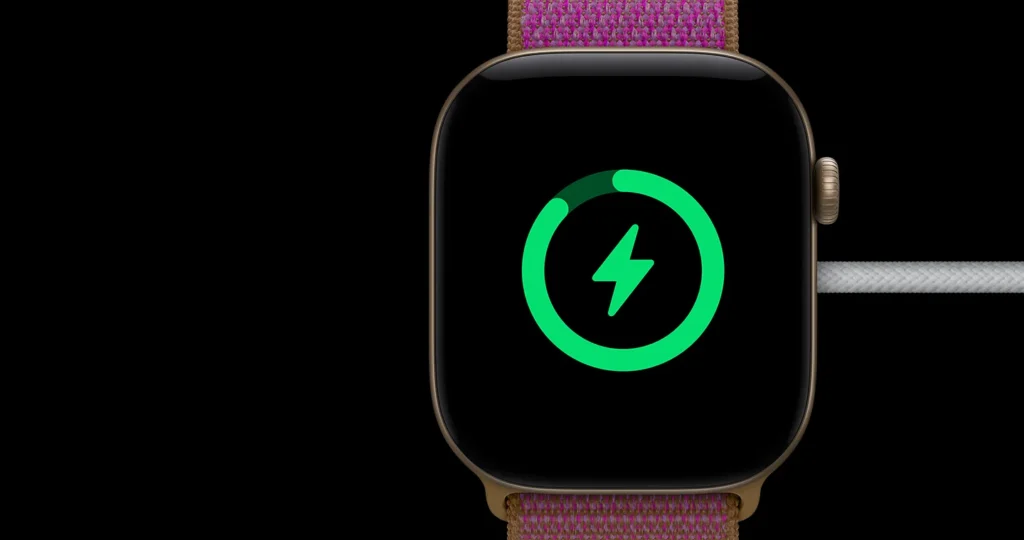
The extra heart rate sampling hasn’t cost you battery. The Verge saw no negative impact from continuous heart rate tracking.
If you need two days, the Ultra 4 is the Apple option. 9to5Mac’s Chance Miller got 48 hours on a single charge, including 90 minutes of workouts, three hours away from his iPhone, and two nights of sleep tracking. The Ultra 4 starts at $799, double the base Apple Watch Series 12, so for most people the Series 12’s quicker charging is the practical fix.
Where the Apple Watch Series 12 falls short
The marquee features aren’t here. Only two of the four Audio Intelligence features work at launch: faster Shazam and sound recognition. Siri Recap arrives in beta later this year, starting in English. Don’t pay extra for a feature that exists only as a promise.
The privacy debate is real. A watch that can transcribe the conversation around you makes some people uneasy, and plenty of commenters on launch coverage said so. Apple stresses on-device processing and no stored audio. The features are opt-in, so you can leave them off. Still, think about how your coworkers or family would feel if you used Live Rewind in a meeting or at the dinner table. Recording laws also vary by state, and some require every party’s consent. Apple says the watch stores no audio, but play it safe in workplaces with strict policies.
Some health extras cost money or haven’t shipped. Apple offers a Quest blood panel covering more than 50 biomarkers for $119, available only in the US. That’s a perk for American buyers, but it’s a separate paid service. The redesigned Health app with Health Age and a Longevity tab doesn’t arrive until later this year.
The Dynamic app grid takes getting used to. WatchOS 27 shows a smaller, predicted set of apps instead of the full honeycomb. Low found this handy when the prediction guessed right, but an extra step when the app she wanted, like Vitals or a third-party notes app, didn’t appear.
No rose gold, no new design. This year’s aluminum range drops the pinkish shade the last two generations offered. If you want your new watch to look new, the ceramic case is your only route, and at $899 it costs $500 more than the base model.
Early software bugs. Some Apple Watch Series 12 and Ultra 4 owners have reported unexpected reboots. Apple usually fixes launch issues like this through a watchOS update, so waiting a few weeks makes sense if you’re not in a rush.
What is the difference between Apple Watch Series 12 and Series 11?
The two look the same. The difference sits in the sensors, the chip, and the gestures.
| Feature | Series 11 | Series 12 | Ultra 4 |
| Chip | S10 | S11 | S11 |
| Background Heart Rate | Every 5 minutes | Every 5 seconds | Every 5 seconds |
| HRV Readings | Every 2 to 4 hours | Up to every 5 minutes | Up to every 5 minutes |
| Readiness Score | No | Yes | Yes |
| Gestures | Double tap, wrist flick | Adds single tap | Adds single tap |
| Audio Intelligence | No | Yes (partly rolling out) | Yes (partly rolling out) |
| Hypertension Notifications (US) | Yes | Yes | Yes |
| Battery Life | Up to 24 hours | Up to 24 hours (faster charging) | ~2 days in testing |
| Case Options | Aluminum, Titanium | Aluminum, Titanium, Ceramic | Titanium (49 mm) |
| Starting Price (US) | Check current sale price | $399 | $799 |
The key Apple Watch Series 12 and Ultra 4 upgrades aren’t coming to older models, and Audio Intelligence won’t reach older watches either. Older watches do get parts of watchOS 27, including a new Siri app with more advanced Siri AI capabilities and the Dynamic app grid.
Better for health data: Apple Watch Series 12. Five-second sampling and RMSSD give you finer recovery data than the Series 11 can.
Better for value: Series 11, if you can find it discounted at Amazon, Best Buy, or Walmart during Black Friday. It keeps the 24-hour battery, sleep score, hypertension alerts, and the same design.
Better for battery life: Ultra 4, with roughly double the runtime at double the price.
If you own a Series 11, most reviewers agree you can skip this one unless frequent HRV data matters to your training. From a Series 9 or older, you get two years of changes at once, and Gear Patrol’s reviewer called it the most compelling reason to upgrade in years, especially for health and fitness users.
Is the Apple Watch Series 12 worth buying?
For the right person, yes. Engadget scored it 9.1 out of 10, and the review consensus calls it a solid upgrade once you set aside the features that haven’t shipped.
It’s for you if:
- You run, cycle, lift, or play a sport and want recovery data without an Oura or Whoop subscription on top.
- You’re on a Series 8, 9, or SE, and your battery has started to fade.
- You often have your hands full and want gestures that do more than dismiss alerts.
It’s not for you if:
- You bought a Series 11 last year. The gap is real but narrow for most users.
- You hate charging every day. Look at the Ultra 4 or a Garmin instead.
- You use an Android phone. The Apple Watch still pairs only with an iPhone.
On price, $399 is fair for the best mainstream Apple Watch, though the $449 for the 46 mm stings a little more this year. You won’t need to pay full price for long. Apple’s trade-in credit can take $30 to $430 off, carriers such as Verizon bundle the watch with iPhone purchases, and Black Friday and holiday sales usually bring Apple Watch discounts at major retailers. If you’re not in a hurry, waiting until late November also gives Apple time to fix the reboot reports.
Picking a size and finish: Low noticed that the Dark Bronze case made the bezels look thicker even though the screen area hadn’t changed, so a lighter case can make them look smaller. Try both in an Apple Store before you order. And with the 46 mm now $50 more, check whether the 42 mm fits your wrist and eyesight before paying for the larger screen.
FAQs
Q. When did the Apple Watch Series 12 come out in the US?
A. It went on sale on September 18, 2026, starting at $399 for the 42 mm model and $449 for the 46 mm model.
Q. Can the Apple Watch Series 12 measure blood pressure?
A. No. It sends Hypertension Notifications based on 30 days of heart data, and the feature works in the US, but it never shows a blood pressure reading.
Q. When will Live Rewind and Siri Recap be available?
A. Apple has only said “later this year.” Siri Recap launches in beta in English first.
Q. Does the Apple Watch Series 12 record my conversations?
A. Apple says the audio features don’t create or store audio recordings, and you can schedule Siri Recap or toggle it from Control Center. Apple also points to the S11 chip’s dedicated Secure Exclave as the reason these features are more private than current alternatives.
Q. How fast does the Apple Watch Series 12 charge?
A. Apple claims 80 percent in 30 minutes. The Verge got from 20 to 64 percent in 20 minutes.
Q. Is the Apple Watch Series 12 worth it over the Series 11?
A. Only if you want frequent HRV and heart data or the one-tap gesture. For most Series 11 owners, the upgrade can wait a year.
Q. How long before readiness scores appear?
A. You need at least seven nights of sleep data, and some reviewers still had no score after a week.
Q. Why does the 46 mm Apple Watch Series 12 cost more than last year?
A. Apple raised the 46 mm aluminum starting price by $20 to $449. The 42 mm model stayed at $399.