
 Shikha Kumari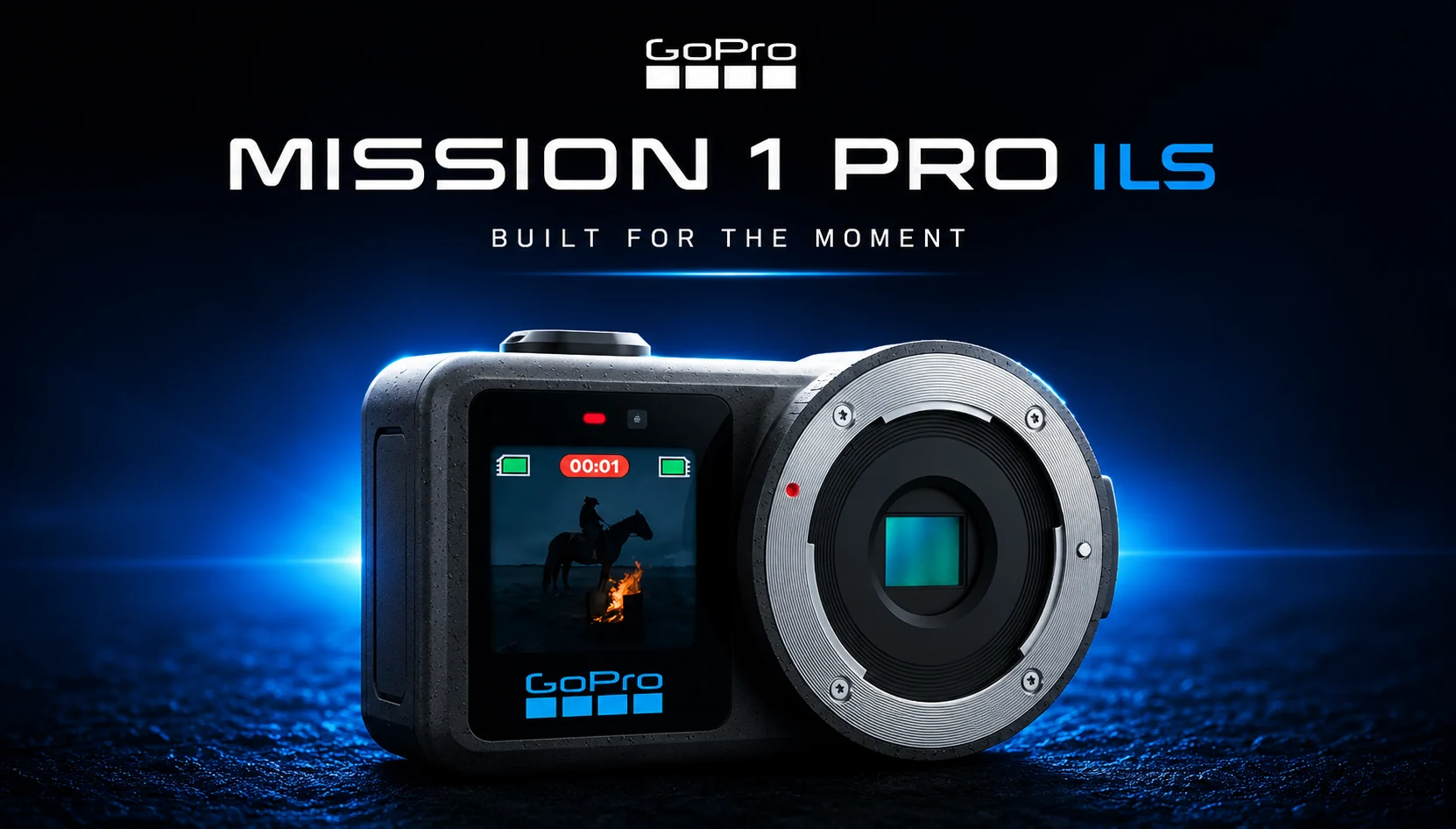
Imagine a GoPro with the lens ripped out and a Micro Four Thirds mount on instead. That’s the point of the GoPro Mission 1 Pro ILS, the company’s first interchangeable lens action camera, and it’s just as weird as it sounds. GoPro has developed the “strap it to your helmet and forget about it” style for more than two decades, so building a camera that needs to be manual focus, aperture rings and a great collection of lenses is a real departure. If you have been tracking the Mission 1 line since its spring launch, you already know GoPro needs a hit.
The ILS isn’t really that, but it’s exactly what a very specific kind of shooter has been waiting years for. What it does well in fact, and where it falls apart, and whether it deserves a place in your kit.
What is GoPro Mission 1 Pro ILS?
The GoPro Mission 1 Pro ILS is the third camera in GoPro’s Mission 1 series, a professional-oriented product line with a higher output than the consumer Hero line. The series debuted in spring 2026 with the standard Mission 1 and the more powerful Mission 1 Pro, built on a large Type 1 sensor and a fixed ultra-wide lens. The ILS maintains that same sensor and processing but swaps the glued-on lens for a Micro Four Thirds mount, and this opens the door for hundreds of third-party lenses.
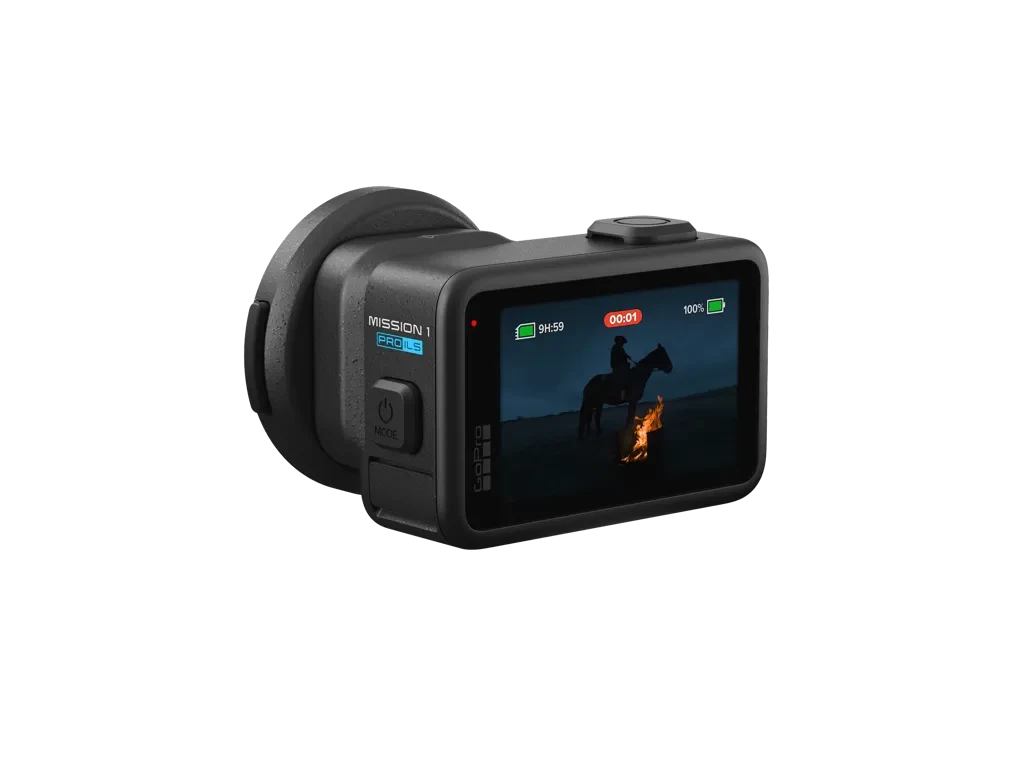
That one change reframes what the camera is for. The Mission 1 Pro is still an action camera in the classic sense: waterproof, rugged, point-and-shoot. The ILS trades that ruggedness for creative flexibility, and whether that trade makes sense depends entirely on who’s asking.
It’s also worth seeing why GoPro built this in the first place. The company hasn’t released a flagship Hero Black camera in nearly two years and competition from DJI’s Osmo Action line and Insta360’s Ace Pro series has taken down GoPro’s dominance in the action camera space.
The Mission 1 series and the Pro in particular, the company’s answer was to have a bigger sensor, better dynamic range and quality that would be able to compete with a world of considerably more expensive cameras. The GoPro Mission 1 Pro ILS is a logical extension of that strategy, but with a much smaller, more specialized audience, professional and semi-professional videographers instead of the mass-market crowd GoPro really needs to win back.
What are Some Specs?
Before getting into the hands-on impressions, it helps to see where the ILS actually lands on paper.
| Spec | GoPro Mission 1 Pro ILS Details |
| Price | $699.99 ($599.99 for GoPro subscribers) |
| Sensor | 50MP 1-inch CMOS (Type 1) |
| Lens Mount | Micro Four Thirds (MFT, unpowered/manual focus & aperture only) |
| Video Modes | 8K at up to 60p, 4K at up to 240p, 1080p up to 960fps (10-sec bursts) |
| Weight | 197g / 6.95 oz (body only) |
| Rear Display | 2.59-inch Touchscreen OLED |
| Front Display | 1.4-inch LCD |
| Battery | Enduro 2, 2,150mAh |
| Processor | GP3 Chip |
| Waterproofing | Weatherproof/Weather-resistant (not fully waterproof) |
| Stabilization | In-camera HyperSmooth digital stabilization with lens-aware focal length profiles |
| Mounting Options | 1/4-20″ thread, standard GoPro mounting fingers, magnetic latch mount |
Two numbers matter more than the rest: the 2.7x crop factor created by the Type 1 sensor sitting behind Micro Four Thirds glass, and the fact that the mount has no electronic contacts at all. That second detail changes everything about how this camera actually gets used, so it’s worth its own section.
GoPro Mission 1 Pro ILS Design and Handling
Pick up the GoPro Mission 1 Pro ILS next to a Mission 1 Pro and you’d struggle to tell them apart at a glance. The same body, same controls, same dual-screen layout, same 207-gram heft, GoPro built the ILS to feel familiar to anyone who’s already shot the Pro. That’s a good move for adoption, but the resemblance doesn’t matter when you attach a lens, because the camera is no longer the point-and-shoot GoPro.
The rear 2.6-inch touchscreen and the front display are unchanged from the rest of the Mission line, and both are really useful for framing shots. What they are not good at is precision manual focusing, a less than a million dot panel is a tough place to judge critical sharpness, even with focus peaking and punch-in magnification switched on.
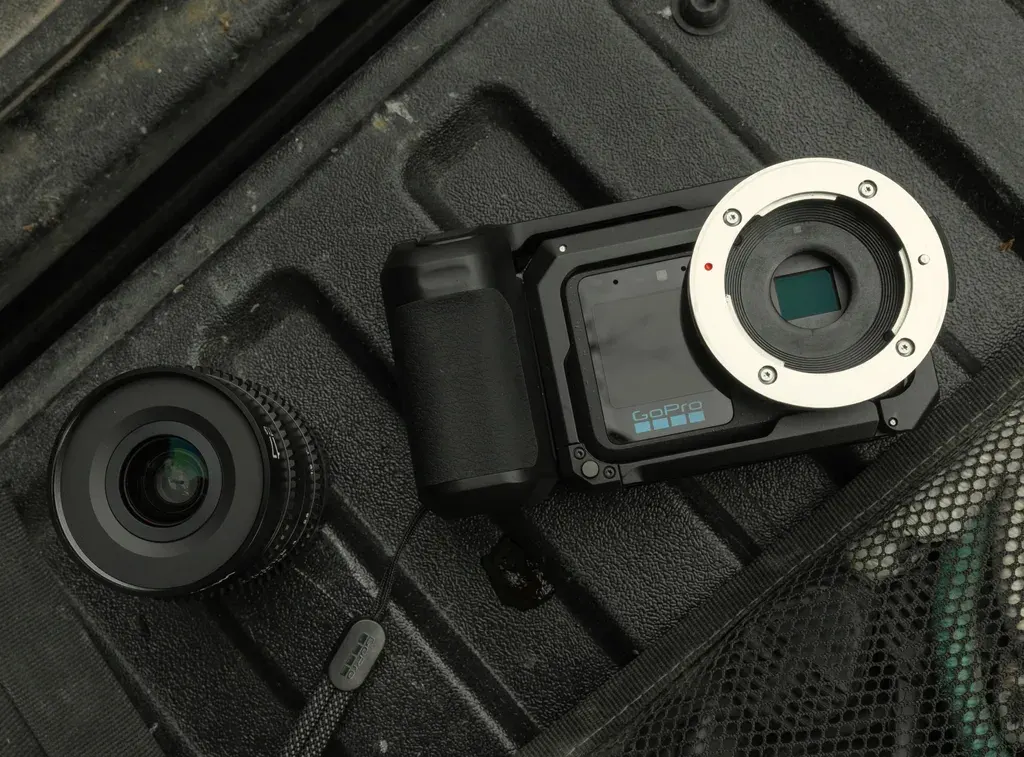
What most reviews gloss over is the fact that the GoPro Mission 1 Pro ILS practically requires an accessory purchase to be usable. The Media Mod Cage ($149.99) includes 3.5mm mic and headphone jacks, micro HDMI, a USB-C port to be easy to access, cold shoe mounts and a grippier housing that makes handholding easier. Without it, you’re fighting a slippery, port-limited brick every time you want to monitor audio or attach anything beyond the lens itself. Budget for the cage, it’s not really optional in practice.
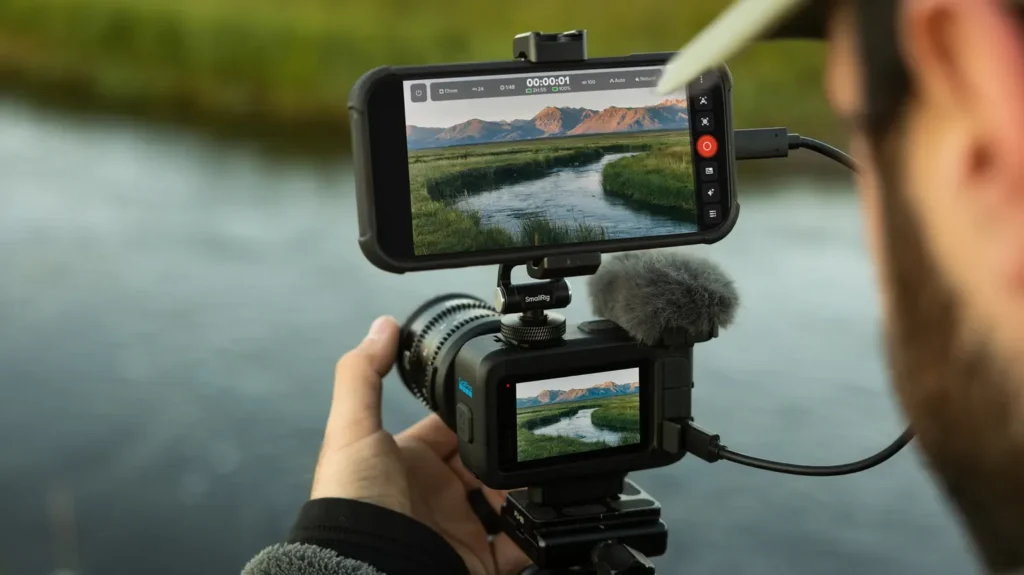
That accessory dependency matters more than it might seem on paper because it quietly erodes the ILS’s biggest selling point: its small size relative to a mirrorless camera. Once the Media Mod Cage is on the table, a phone mount for the Mission Monitor App and lens on the back, the whole rig starts to look like the footprint of a compact mirrorless set-up such as the Panasonic GH7 or Sony FX30 in which autofocus and stabilization are built in. The ILS is only compact if you’re willing to shoot without monitoring tools, which for most people defeats the point of buying an interchangeable lens camera in the first place.
The Lens Mount Problem Nobody’s Talking About
This is the detail that amazes a lot of buyers before they open the box: the Micro Four Thirds mount on the GoPro Mission 1 Pro ILS has zero electronic contacts. No autofocus, no electronic aperture control, no image stabilization communication, nothing. That rules out the vast majority of modern MFT autofocus lenses right out of the gate.
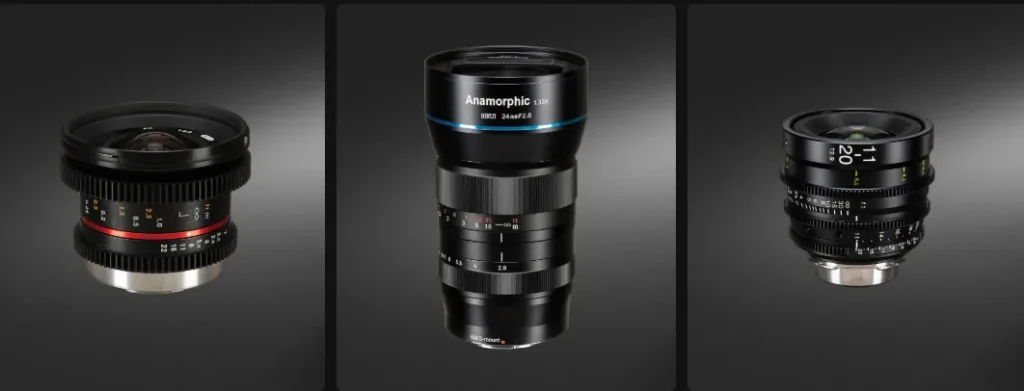
What does work is fully mechanical glass, vintage manual-focus lenses, adapted cinema primes, and purpose-built manual lenses from Laowa, Veydra, Kowa and Zeiss. That’s a real ecosystem, but it’s an extremely niche one and it’s worth knowing this before you assume that your existing Panasonic or Olympus autofocus zoom will work. It won’t.
The upside of dropping the fixed ultra-wide lens is real, though. The earlier Mission 1 Pro had a frustrating 2-foot minimum focus distance that was nearly impossible for close-up work. Put the right MFT lens on the GoPro Mission 1 Pro ILS and you can shoot tight macro-style footage that has real shallow depth of field, something no fixed lens GoPro has ever provided.
GoPro Mission 1 Pro ILS Image Quality and Slow Motion
Strip away the lens conversation and the GoPro Mission 1 Pro ILS captures footage that’s technically identical to the Mission 1 Pro because it’s the same sensor and processing chain. That means very good image quality overall, with one recurring tradeoff worth planning around: 4K footage shows noticeably cleaner shadows than 8K, so you’re constantly choosing between resolution and dynamic range and not both at the same time.

Slow motion is where this camera really shows up. Detail holds up well at 4K at 240fps, which is just fast enough for real sports and product-demo slow-mo. Push beyond 1080p to 960fps and detail drops, and you’re limited to 10-second bursts, but the novelty of that frame rate at this price point is hard to dismiss.
GoPro claims these are the highest frame rates and slowest slow-motion capabilities currently available in the action camera category. There’s also a really interesting niche use case in here as well: the Type 1 sensor is just close to Super 16 film format, a size that has been underappreciated by camera makers since the early Blackmagic Pocket Cinema cameras had lost their relevance. Shooters still holding onto old Super 16 glass are now having a modern home in which 8K/60p is a ceiling instead of 1080/30p those older cameras occupied.
GoPro also brought in a new GP-Log2 color profile for the Mission 1 series and claims a dynamic range of 14 stops, a number that if accurate in real-world shooting would put it in the same conversation as much pricier cinema cameras. Combined with 10-bit color depth, that gives editors meaningfully more room to grade footage than earlier GoPro models allowed, particularly in high-contrast outdoor scenes where blown highlights have traditionally been a weak point for action cameras.
GoPro Mission 1 Pro ILS Stabilization: The Catch You Need to Know About
GoPro’s HyperSmooth digital stabilization is still present on the GoPro Mission 1 Pro ILS with a slight 10% frame crop, but you will need to manually tell the camera your lens focal length for it to work properly. At fast shutter speeds (think high frame rate slow-motion or well-lit daylight shooting) it performs as well as you would imagine GoPro software would.
At cinematic shutter speeds it’s clear. Take 24p at a standard 1/48-second shutter, which most filmmakers actually want, and you’re going to feel motion blur from all angles even if they’re not too wide. The ILS does not have optical image stabilization in the lens or in the camera, so that there is no way to back up on the shutter speed. The solution to this problem is to turn off stabilization completely below about 1/120 second and rely on a small gimbal instead.
GoPro Mission 1 Pro ILS vs. the Rest of the Lineup
The choice between the three Mission 1 cameras, or stepping out of GoPro’s lineup completely, comes down to how much you want ruggedness versus creative control.
| Feature / Spec | Mission 1 | Mission 1 Pro | GoPro Mission 1 Pro ILS | Panasonic GH7 |
| Price | $599 | $699 | $699 | ~$1,700 (body) |
| Lens | Fixed ultra-wide | Fixed ultra-wide | Interchangeable MFT | Interchangeable MFT |
| Autofocus | Yes | Yes | No (unpowered mount) | Yes |
| Waterproof | Yes | Yes | No (weather-resistant) | No |
| Max video | 8K/30p (est.) | 8K/60p | 8K/60p | 5.7K/60p (no 8K) |
| Stabilization | Digital HyperSmooth | Digital HyperSmooth | Digital only, no OIS/IBIS | 5-axis IBIS |
| Best for | Everyday action use | Best all-around image quality | Manual-lens creative shooting | Serious hybrid video work |
The takeaway from GoPro’s own reviewer testing is rather straightforward: if you don’t need interchangeable lenses, the Mission 1 Pro has the same core image quality in a tougher, more forgiving package. The GoPro Mission 1 Pro ILS only wins the comparison for people who already know why they want manual glass.
Who Should Actually Buy This Camera?
This is the question that the GoPro Mission 1 Pro ILS makes genuinely hard to answer, and it’s worth being honest about instead of forcing a tidy recommendation.
The original expectation that ILS units would just easily fit into action sports broadcasts with a wall of regular GoPros is falling apart in reality. Remote-operated focus and aperture rigs for a mechanical lens cost far more than the camera itself, which limits the ILS to manned, hand-operated setups at events where a broadcast camera is usually still the more practical choice.
The audience that really makes sense is narrower and more specific:
- Owners of vintage or cinema manual-focus lenses, especially Super 16-format glass that’s had nowhere else to go for over a decade.
- Slow-motion specialists shooting wildlife, insects or industrial/product tests who need focal length options beyond an ultra-wide, and who are comfortable pulling manual focus.
- Budget-conscious video shooters who want interchangeable lens flexibility without a $1,500-plus entry price of a mirrorless hybrid camera, and don’t mind the workflow tradeoffs.
If none of those describe you, the honest read is that this camera will feel like more trouble than it’s worth.
We should also think about what this camera is not good at, because that informs the buying decision just as much as what it excels at. Run-and-gun documentary shooters who need to react quickly to unpredictable subjects will likely find manual focus a liability rather than a creative tool, missing a shot because you couldn’t rack focus fast enough on a small screen is a real risk. Likewise, anyone who was attracted to GoPro specifically for its durability and waterproofing should stick with the Mission 1 Pro or a Hero model, since the ILS loses both of those strengths without completely replacing them with the stabilization and autofocus you’d get from a proper mirrorless camera.
Alternatives Worth Considering
A mirrorless hybrid like the Panasonic GH7 costs far more and is notably bigger, but it has full autofocus MFT lens support, genuinely effective in-body stabilization and a larger sensor, without requiring an accessory cage just to add basic ports. It can’t touch the GoPro Mission 1 Pro ILS’s 8K capture or 4K/240p slow motion, so the choice comes down to whether stabilized, autofocus-driven shooting matters more to you than resolution and frame rate ceilings.
If interchangeable lenses are not a priority, the standard Mission 1 Pro provides essentially identical image quality in a fully waterproof, ruggedized body for the same price— probably the smarter buying point for most people who were drawn to the Mission line’s larger sensor and 8K capability in the first place. And if you just want something you can strap on a helmet and get away with, a traditional action camera is the more sensible tool for genuinely extreme activities.
Final Verdict
The GoPro Mission 1 Pro ILS is a really interesting camera that solves a real problem for a very small group of shooters and makes almost everybody else’s problems more difficult. It has slow-motion and easy access to affordable manual and vintage glass at a good price if that’s what you are after. But the unpowered mount, the lack of any hardware stabilization and the almost mandatory accessory purchase make it a demanding tool and not an easy recommendation.
It’s worth trying if you own manual MFT lenses or shoot a lot of high frame rate slow motion. If you are just curious about GoPro’s shift to interchangeable lenses, rent or borrow one in order to test it before investing $699 plus accessories, this is a camera you need to test out against your workflow, not just your wish list.
The bigger story here is what the GoPro Mission 1 Pro ILS says about GoPro’s direction. Instead of just seeking the next incremental Hero upgrade, it is experimenting with formats that are largely inspired by cinema cameras and mirrorless systems, and that willingness to take a real risk is well-deserved even when the execution is poor. Whether that experimentation will eventually produce a camera with real mass-market appeal remains to be seen, but the ILS at least indicates GoPro is capable of building something as ambitious as the last marginally improved Hero. For the moment, treat it as a specialist tool instead of a flagship and let your lens collection— or lack of one— decide.
Frequently Asked Questions (FAQs)
Q. Is the GoPro Mission 1 Pro ILS waterproof?
A. No. As with all of the other cameras in the Mission 1 line, the GoPro Mission 1 Pro ILS is weather resistant, but GoPro needs to have separate housing for underwater use. This is a very significant difference if you’re coming from a traditional waterproof GoPro.
Q. Does the GoPro Mission 1 Pro ILS have autofocus?
A. No. The Micro Four Thirds mount has no electronic contacts, so it only works with fully mechanical manual-focus lenses. Most modern autofocus MFT lenses will physically mount but won’t communicate with the camera at all.
Q. What is the crop factor on the GoPro Mission 1 Pro ILS?
A. The Type 1 sensor combined with the Micro Four Thirds mount creates a 2.7x crop factor so that a lens’s field of view will appear to be much tighter than on a standard MFT mirrorless camera.
Q. How much does the GoPro Mission 1 Pro ILS cost?
A. It’s priced at $699, the same as the fixed-lens Mission 1 Pro. Budget an additional $149.99 for the Media Mod Cage, which most reviewers consider close to mandatory for comfortable, fully-featured shooting.
Q. Is the GoPro Mission 1 Pro ILS good for slow motion?
A. Yes, this is arguably its strongest feature. It can shoot detailed 4K footage at up to 240fps and a headline-grabbing 1080p at 960fps in short 10-second bursts, which is well ahead of most cameras in its price range for slow-motion work.