
 Shikha Kumari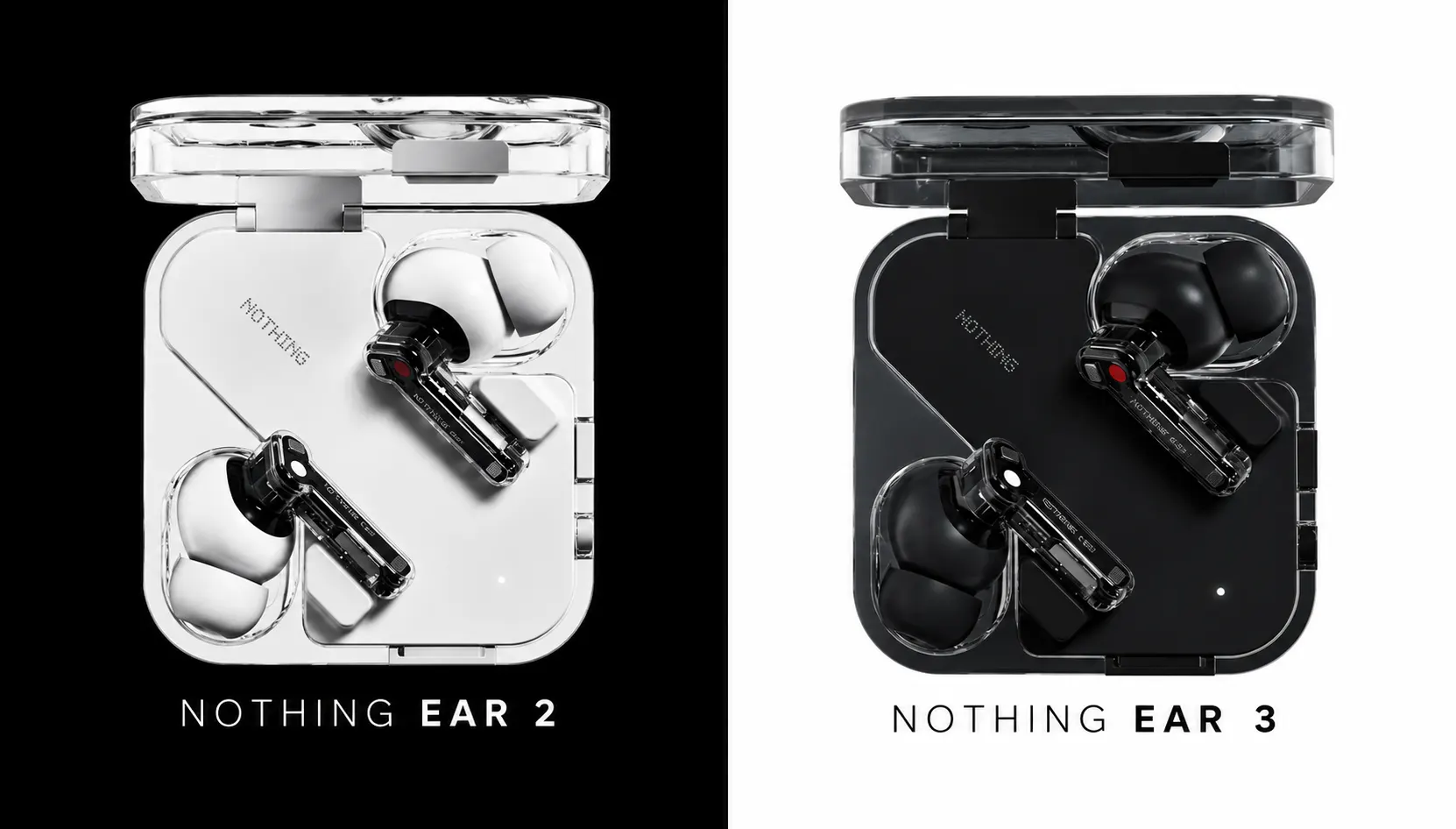
Quick answer: Buy the Nothing Ear 3 if you’re paying with your own money for a pair you plan to keep for two or three years. It lasts longer per charge (5.5 hours with ANC vs 4 hours), cancels a bit more noise, uses the more widely supported LDAC codec, and fixes the build issue that has cracked open plenty of Ear 2 buds. The Nothing Ear 2 only makes sense if you find a sealed, new pair for well under $90 and you mostly listen in short sessions. At anything close to the Ear 3’s street price, the older model loses.
Key info at a glance
- Nothing Ear 3 price: launched at $179 in September 2025; Amazon US listings in recent months have sat in the $129 to $149 range
- Nothing Ear 2 price: launched at $149 in March 2023; now mostly sold by third-party sellers, often as old stock or used
- Ear 3 standout feature: Super Mic, a pair of microphones in the charging case that you press “Talk” to use for calls and voice notes
- Ear 2 standout feature: light, comfortable buds with a punchy, well-controlled bass tuning that reviewers still praise
- Ear 3 main drawback: ANC is good but not class-leading, and real battery life with LDAC and ANC both on falls well short of the box claim
- Ear 2 main drawback: 4 hours of ANC playback, plus a known issue where the two plastic shells of each bud separate after a couple of years
A note on how we put this together: we haven’t run lab tests on these two pairs side by side. This comparison draws on Nothing’s published specs, measured results from outlets like SoundGuys, and long-term owner reports. Where reviewers disagree with the spec sheet, we say so.
Nothing Ear 2 vs Ear 3 specifications compared
| Feature | Nothing Ear (2) | Nothing Ear (3) |
| Launch | March 2023 | September 2025 |
| Launch Price (US) | $149 | $179 |
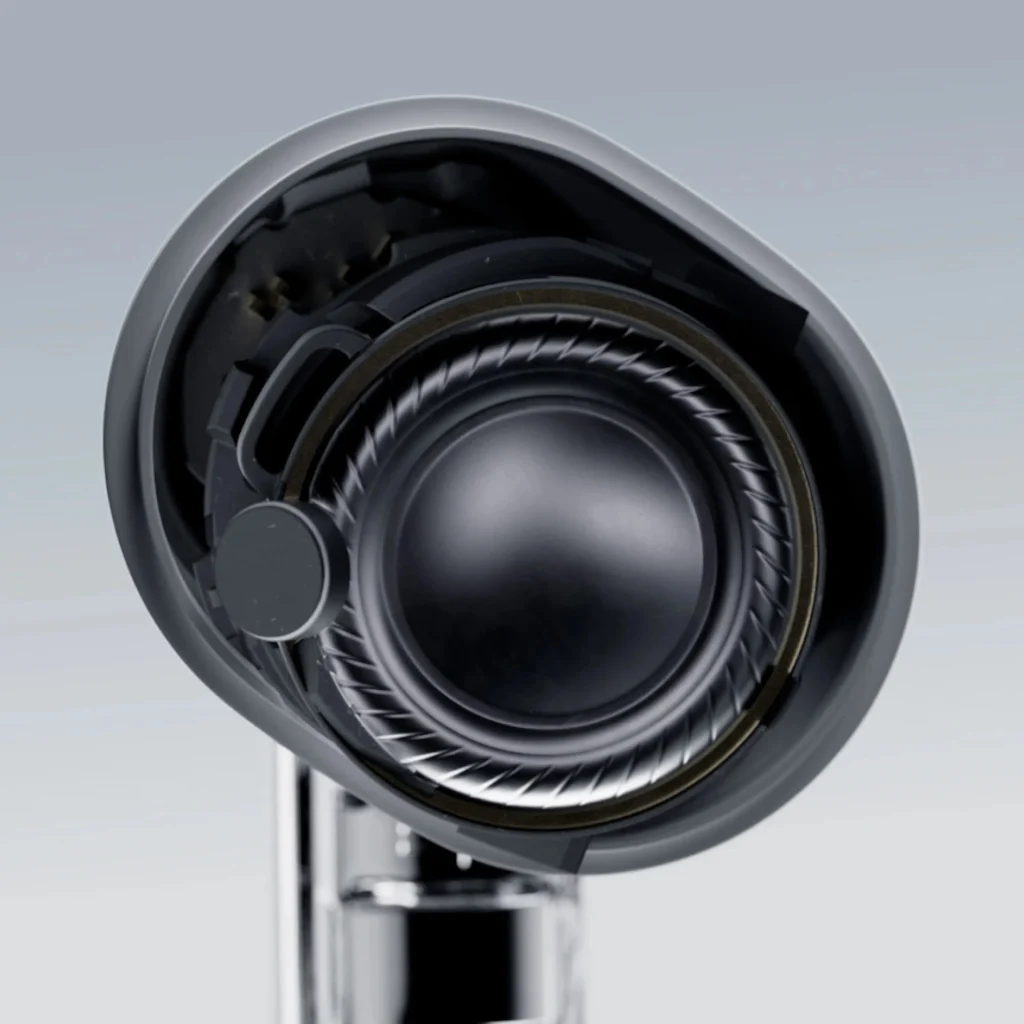
| Driver | 11.6mm, graphene + polyurethane diaphragm | 12mm, PMI + TPU diaphragm |
| ANC | Up to 40dB, adaptive and personalized | Up to 45dB, real-time adaptive |
| Codecs | SBC, AAC, LHDC 5.0 | SBC, AAC, LDAC |
| Bluetooth | 5.3, dual connection | 5.4, dual connection |
| Bud Battery | 33mAh | 55mAh |
| Playback (ANC Off) | 6.3 hrs (36 hrs with case) | 10 hrs (38 hrs with case) |
| Playback (ANC On) | 4 hrs (22.5 hrs with case) | 5.5 hrs (22 hrs with case) |
| Fast Charge | 10 min = 8 hrs (with case, ANC off) | 10 min = 10 hrs (with case, ANC off) |
| Wireless Charging | Yes, 2.5W | Yes, 2.5W |
| Water Resistance | IP54 buds, IP55 case | IP54 buds and case |
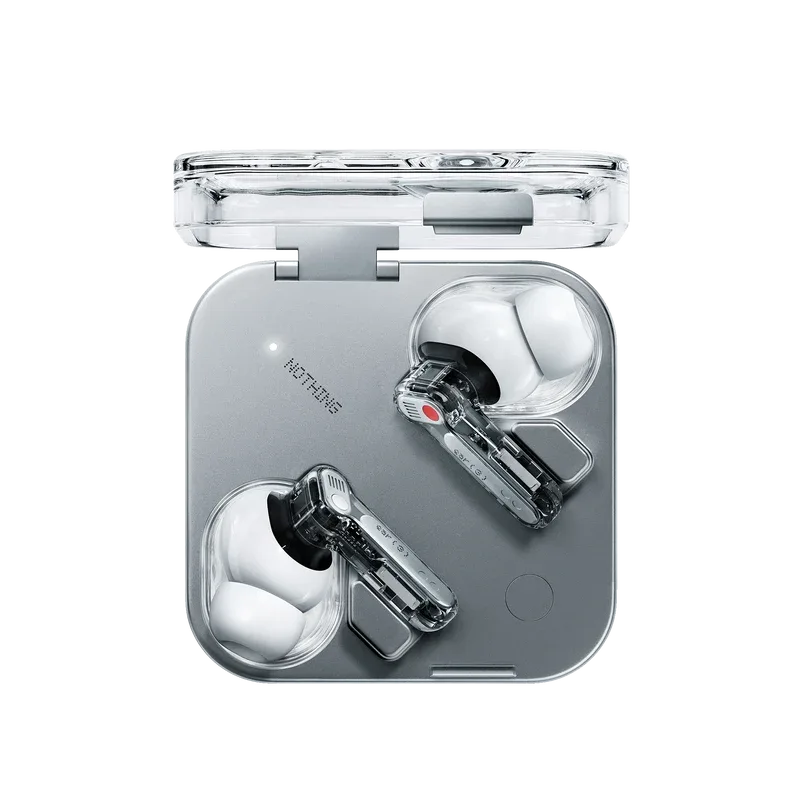
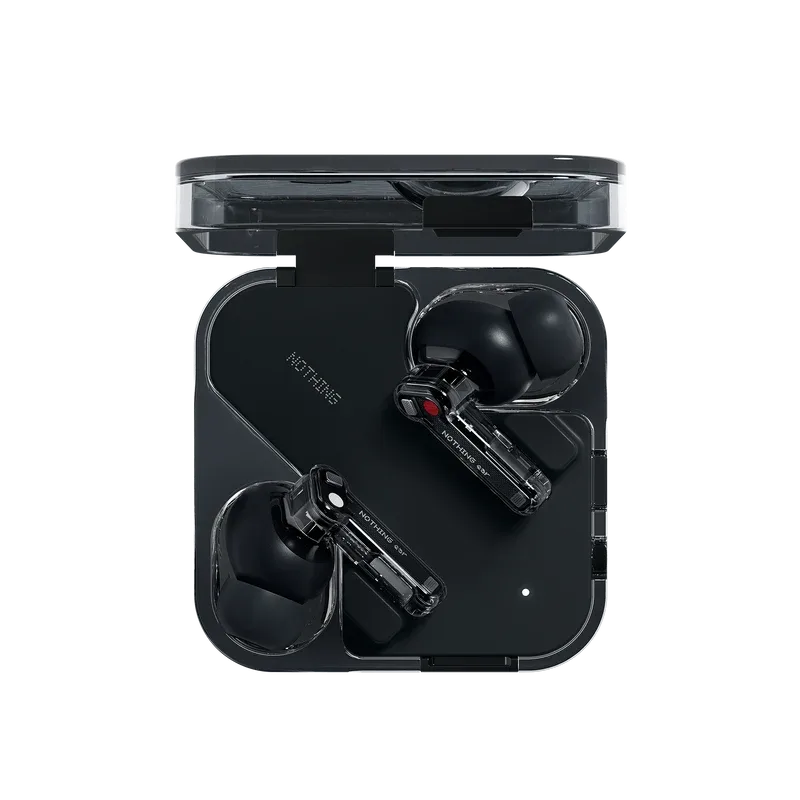
| Case Build | Transparent plastic | Transparent lid, recycled aluminum base |
| Extra Call Hardware | Three mics per bud | Three mics per bud, bone conduction sensor, Super Mic in case |
| Bud Weight | About 4.5g | 5.2g |
On paper the Ear 3 wins most rows. How much of that you’ll notice depends on your phone, your commute, and how long you keep earbuds.
Which sounds better: Nothing Ear 2 or Ear 3?
This is closer than the spec sheet suggests.
Reviewers liked the Nothing Ear 2’s tuning from day one. GSMArena noted that Nothing moved the bass boost lower than on the Ear 1, so it hits with a quick, tight punch instead of a boomy wash. For hip-hop or electronic music, the Ear 2 still holds up.
The Ear 3 moves to a 12mm driver and leans further into low end. SoundGuys rated its audio 4.7 out of 5, in the top half of the earbuds it has measured. If you prefer vocals up front, expect a minute in the Nothing X app’s 8-band equalizer.
Here’s the part most comparisons skip: the codec matters more than the driver for many buyers.
- On an iPhone, both pairs fall back to AAC. You won’t hear the hi-res codec on either one, so the sound gap shrinks to tuning differences.
- On a Pixel, Samsung, or most other Android phones, LDAC is built into the operating system. That means the Ear 3’s hi-res mode works out of the box for most Android owners.
- The Ear 2’s LHDC 5.0 needs a phone that supports LHDC, which is a much shorter list (Nothing’s own phones and some Chinese brands). GSMArena also reported high-frequency distortion with LHDC at default settings on a Nothing Phone during testing.
So if you’re on Android and care about wireless audio quality, the Ear 3 gives you a hi-res path you can use. If you’re on iPhone, judge them on tuning and comfort alone.
Nothing Ear 2 vs Ear 3 ANC: how much quieter is the newer pair?
Nothing rates the Ear 3 at up to 45dB of noise reduction and the Ear 2 at up to 40dB. Both adjust to your surroundings, and both let you run a fit test in the app.
Neither pair will make you forget the subway. SoundGuys scored the Ear 3’s ANC at 6 out of 10, above the middle of its test pool but well behind the best from Sony and Bose. Australian outlet CyberShack found the ANC weaker in the vocal range, so voices in an open-plan office still bleed through more than engine rumble does.
Ear 2 reviewers made a similar point at launch.
Better for noise cancellation: Ear 3, by a modest margin. If ANC tops your list, look at Sony or Bose instead.
Nothing Ear 2 vs Ear 3 battery life
This is where the gap is widest, and it’s the reason we lean toward the newer model.
The Ear 3 packs a 55mAh cell into each bud, up from 33mAh on the Ear 2. That’s a 67% bigger battery, and you feel it:
- ANC on: 5.5 hours on the Ear 3 vs 4 hours on the Ear 2
- ANC off: 10 hours vs 6.3 hours
Four hours with ANC sounds fine until a cross-country flight, when you’ll put the Ear 2 back in its case before the drink cart arrives.
One caveat on the Ear 3: Nothing’s figures assume 50% volume and the AAC codec. CyberShack measured closer to 4.5 hours with both LDAC and ANC switched on, and about 7.5 hours with AAC or SBC. If you want maximum runtime from the Ear 3, turn LDAC off when you don’t need it.
The Ear 2 also has an age problem. A pair made in 2023 has lithium cells that have sat on a shelf, or in someone’s ears, for years, so even sealed stock may fall short of 4 hours.
Better for battery life: Ear 3, clearly.
Which is better for calls? The Super Mic question
The Ear 3’s headline feature is Super Mic. Press the Talk button on the case, hold the case near your mouth, and two microphones in the case take over your call. Nothing claims they can filter up to 95dB of background noise.
It works in Zoom, WhatsApp, and Google Meet, and on a Nothing phone it feeds voice notes into Essential Space for transcription. A few limits:
- You need at least one earbud in your ear for Super Mic to work.
- Some social media voice-message features and camera apps may not pick up the case mic.
- SoundGuys’ review headline called it a not-so Super Mic. Treat it as a handy extra for loud places.
The Ear 3 also adds a bone conduction sensor in each bud to pick out your voice. The Ear 2’s three mics per bud handle normal calls fine but struggle more in wind and traffic.
Better for calls: Ear 3, especially if you take calls on the street or in cafes.
Design, comfort and durability
Both pairs keep Nothing’s see-through look, but the Ear 3 case swaps the plastic bottom half for recycled aluminum. That matters more than it sounds. Reviewers of the Ear 2 repeatedly noted that the clear plastic case picks up visible scratches with normal pocket use.
The bigger durability story is the buds themselves. In April 2025, Android Authority reported that many Ear 2 owners saw the two plastic halves of each earbud come apart at the glue seam, often after around two years. Owners who tried to glue them back together reported mic failures. That’s a real risk if you’re buying an Ear 2 in 2026, because any pair you find has either aged in a warehouse or already put in time in someone’s ears.
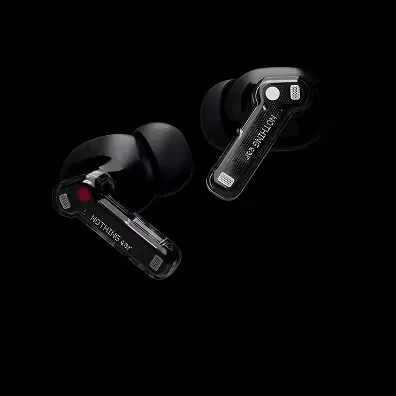
On comfort, the Ear 2 has a small edge at about 4.5g per bud against 5.2g. The Ear 3 sits in your concha with a shallow fit; CyberShack’s reviewer took them out three times over an eight-hour test.
Both carry IP54 ratings on the buds, so sweat and light rain are fine.
Better for long-term ownership: Ear 3. Better for pure lightness: Ear 2, if you can live with the trade-offs above.
Nothing Ear 3 price vs Nothing Ear 2 price: is the older pair a bargain?
When the Nothing Ear 2 launched at $149, it was one of the best-value earbuds you could buy. In 2026, the math is different.
Nothing has released two successors since: the 2024 Nothing Ear (no number) and the Ear 3. What you’ll find of the Ear 2 on Amazon and eBay is mostly third-party stock, and some sellers still list it near its old retail price.
Meanwhile, the Ear 3 has dropped from $179 to around $129 to $149 on Amazon US, so the Ear 2 needs a steep discount to make sense. A simple rule:
- Ear 2 new and sealed under about $90: reasonable if you mostly listen in 1 to 3 hour stretches and use Android with LHDC support, or don’t care about hi-res codecs.
- Ear 2 above $100: skip it and put the money toward the Ear 3.
- Ear 2 used: risky, given the shell separation reports and battery age. Check the seller’s return policy before you buy.
If your budget tops out near $100, also look at Nothing’s own Ear (3a), which SoundGuys lists at around $99 on Amazon US with 10 hours of rated playback. You lose Super Mic and the aluminum case, but you get a newer battery and current software support.
Who should buy the Nothing Ear 3
- Android users who want LDAC to work out of the box
- Commuters and travelers who need more than 4 hours of ANC per charge
- People who take calls in loud places and like the idea of a mic in the case
- Nothing phone owners who want Essential Space voice notes and ChatGPT shortcuts from their earbuds
- Anyone planning to keep their earbuds for two years or more
Who should still consider the Nothing Ear 2
Buyers who find a sealed pair at a clear discount, prefer a tighter bass out of the box, and listen in short sessions. Lighter buds may also suit smaller ears.
Is the Nothing Ear 3 worth upgrading to from the Ear 2?
If your Ear 2 still works and the shells are holding together, you don’t need to rush. Upgrade if your Ear 2 battery has faded below 3 hours, if the buds have started to split, or if you’ve switched to an Android phone without LHDC and want a working hi-res codec. Otherwise, keep using what you own and watch for the next Ear 3 sale.
Final verdict: Nothing Ear 2 vs Nothing Ear 3, which is better?
The Ear 3 is the better pair of earbuds and, at its current street price, the better buy for most people. It runs about 40% longer per charge with ANC, cancels slightly more noise, supports a codec your Android phone can use, and has a case built to survive a pocket full of keys.
The Ear 2 earned its reputation, and it still sounds lively. But three years on, its short battery life and known build weakness make it hard to recommend unless the price does most of the work for you.
Frequently asked questions
Q. Is the Nothing Ear 2 still worth buying in 2026?
A. Only at a steep discount. The sound holds up, but 4 hours of ANC playback is short by 2026 standards, and owners have reported the earbud shells separating after about two years. A sealed pair under about $90 can work for light use. Above $100, the Ear 3 is the better buy.
Q. Does the Nothing Ear 3 work well with an iPhone?
A. Yes. It pairs over standard Bluetooth, and the Nothing X app is available on iOS for EQ, ANC settings, and the fit test. You won’t get LDAC, and some features, such as Essential Space voice notes, need a Nothing phone. Super Mic calls work in common apps like Zoom and WhatsApp.
Q. What is Super Mic on the Nothing Ear 3?
A. Super Mic is a pair of microphones built into the Ear 3’s charging case. You press the Talk button and hold the case near your mouth to use it for calls or voice recordings. Nothing says it can filter up to 95dB of background noise. You need at least one earbud in your ear for it to work.
Q. How long does the Nothing Ear 3 battery last compared to the Ear 2?
A. Nothing rates the Ear 3 at 5.5 hours with ANC on and 10 hours with ANC off, against 4 and 6.3 hours for the Ear 2. With the case, the Ear 3 reaches 38 hours (ANC off) vs 36 hours. Expect less on the Ear 3 if you use LDAC and ANC together; one test measured about 4.5 hours.
Q. Which are the best Nothing earbuds in 2026?
A. For most people, the Ear 3 is Nothing’s best all-round pair right now. If you want to spend less, the Ear (3a) covers the basics at around $99. The open-style Nothing Ear (open) suits people who want to hear their surroundings at all times, though you give up ANC.