
 Lara
Lara 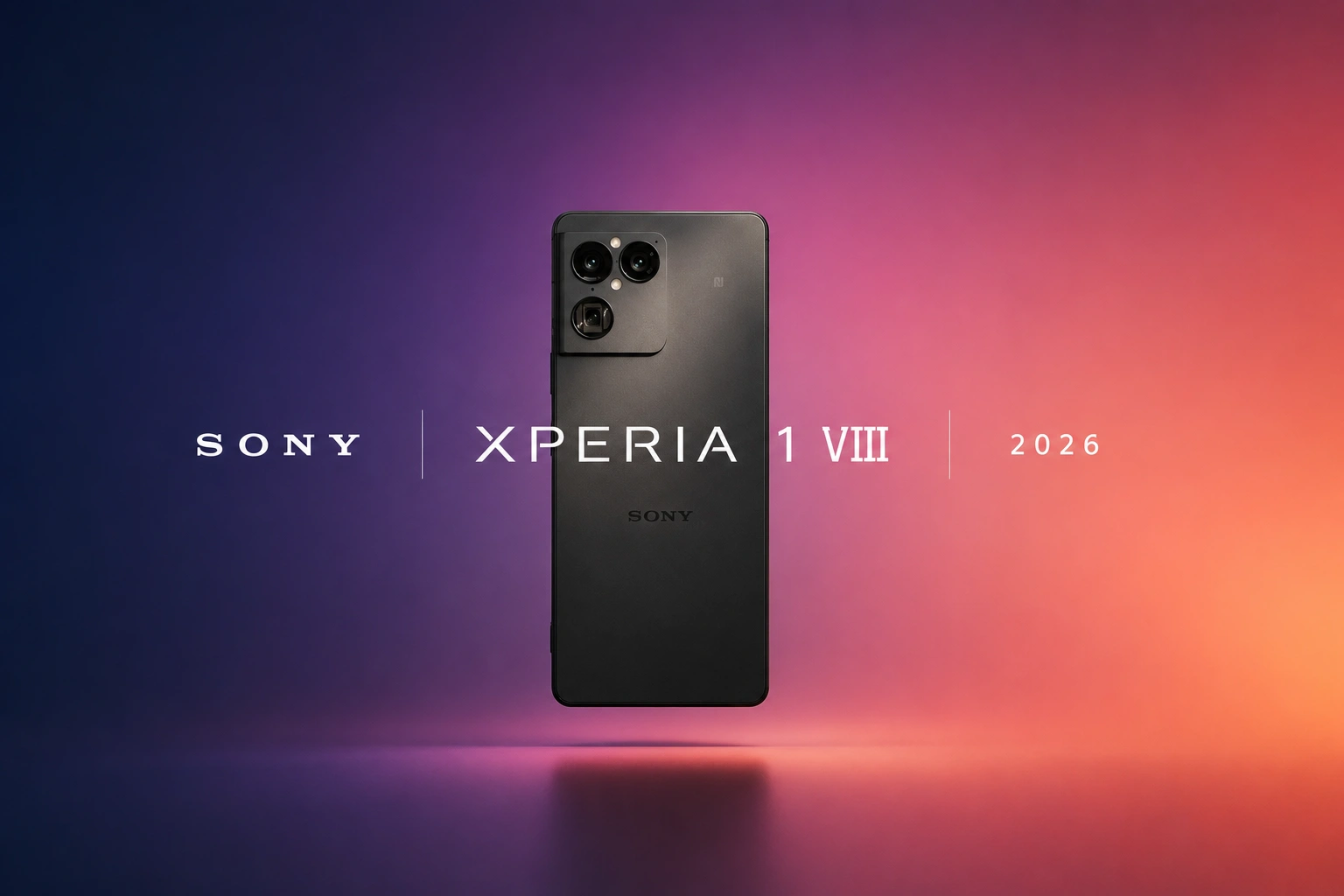
I’ll be honest with you. When the Sony Xperia 1 VIII landed on my desk, the first thing I did wasn’t turn it on. I just kept running my thumb over the back of it. Sony calls the new finish “ORE,” and it feels more like suede than glass. Strange first impression for a camera review, I know. But it tells you something about what Sony is doing with this phone: they’ve stopped chasing everyone else and doubled down on being weird, deliberate, and unapologetically Sony.
The question everyone keeps asking me, however, is simpler than that. Is the Sony Xperia 1 VIII camera finally good enough to beat the iPhone?
After two weeks of shooting with it around markets, a zoo, dim restaurants, and one very uncooperative cat, I have an answer. It’s not the one Sony fans want to hear, and it’s not the one Apple fans expect either.
Sony Xperia 1 VIII at a Glance
| Specification | Sony Xperia 1 VIII |
| Display | 6.5-inch FHD+ LTPO OLED, 120Hz, no notch |
| Chipset | Snapdragon 8 Elite Gen 5 |
| RAM / Storage | 12GB + 256GB (16GB + 1TB on Gold model), microSD support up to 2TB |
| Main Camera | 24mm, 48MP Exmor T, 1/1.28-inch sensor, f/1.9 |
| Ultra-Wide Camera | 16mm, 48MP, 1/1.56-inch sensor, f/2.0 |
| Telephoto Camera | 70mm prime, 48MP, f/2.8, 140mm via sensor crop |
| Selfie Camera | 12MP (unchanged from the Mark 7) |
| Battery | 5,000mAh |
| Charging | 30W wired, 15W wireless |
| Audio | 3.5mm headphone jack, front-facing stereo speakers |
| Additional Features | Dedicated shutter button, IP65/IP68 water and dust resistance |
| Software | Android 16 |
| Software Support | 4 years of Android OS updates, 6 years of security patches |
| Launch Price | Starting from £1,399 / €1,499 |
Announced on 13 May 2026 and launching mid-June, this is Sony’s flagship smartphone for 2026. And no, it’s not coming to the US. More on that later.
Design: The Biggest Xperia Redesign Since 2019
The Sony Xperia 1 VIII is the first proper redesign of this line in seven years, and the first thing you notice immediately is the camera module. The old traffic-light strip of lenses is gone, replaced by a squared island on the left side of the back. In leaked renders I hated it. In hand, I’ve completely come around.
That ORE texture covers the glass back and, impressively, the aluminum frame too, so the whole phone feels like one unified object rather than glass sandwiched in metal. It doesn’t pick up fingerprints. Light scratches wipe off. And it’s grippy enough that I’ve been carrying it without a case, which is not something I’d say about a phone this expensive.
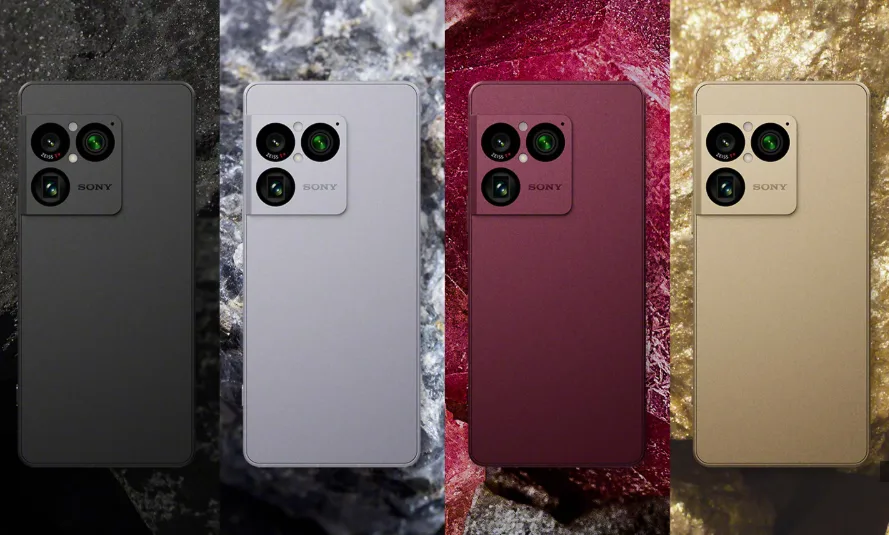
This year’s colour options are Graphite Black, Iolite Silver, Garnet Red and the 1TB-only Native Gold. The red is the one to get.
Everything that makes an Xperia an Xperia survived the redesign:
- 3.5mm headphone jack with Sony’s Walkman-derived audio hardware.
- Tool-less hybrid SIM tray with microSD expansion up to 2TB.
- Dedicated two-stage shutter button (the one other brands finally started copying).
- Front-facing stereo speakers, which Sony says are 12% louder than the Mark 7’s.
In 2026, this is the only Android flagship that keeps all of these. That is why the Xperia fanbase is so loyal.
Display: Still No Notch, Still Gorgeous
One thing to clear up early: the days of Sony’s 4K OLED display panels are over. The Sony Xperia 1 VIII display is the same as the 6.5-inch FHD+ LTPO OLED panel from the Mark 7, with a 120Hz refresh rate that drops to 1Hz when idle to save power.
That sounds like a downgrade from the 4K era. In practice, I never missed it. What you get instead is a completely uninterrupted screen. No notch. No punch hole. When you watch a film or review footage you just shot, there’s nothing to see behind it, and your palms never get in the way of the sound; the front-facing speakers are so far away from the sound that it doesn’t get muffled.
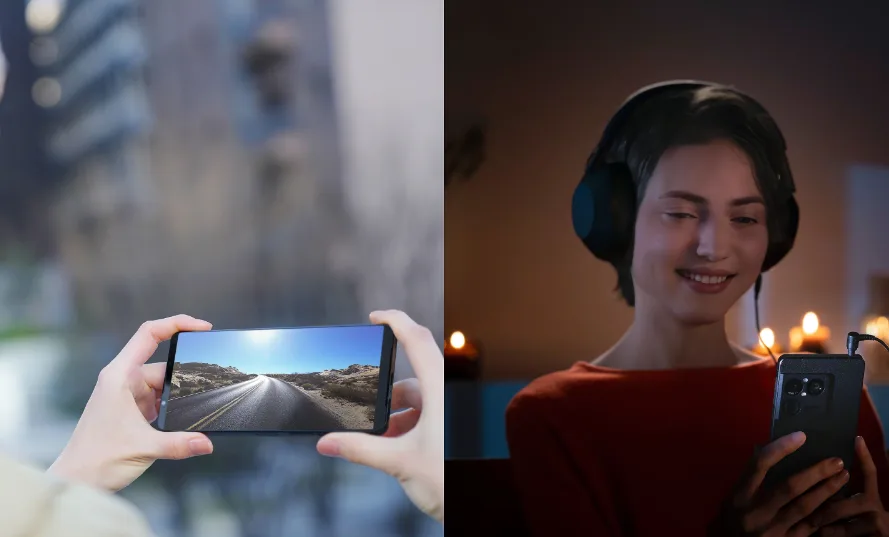
Color accuracy is where this OLED display earns its keep. The Bravia-tuned Creator Mode is properly calibrated for film, and, in fact, it is useful for reviewing photos you have shot on the phone or on a Sony Alpha camera. Peak brightness is near 2,200 nits (a good range), thanks to luminance sensors on the front and back of the phone. Outdoor visibility was never a problem during my testing, even in the hot midday sun.
Is it the sharpest or brightest panel on any premium smartphone this year? No. Is it one of the most accurate and most pleasant to actually use? Yes.
Sony Xperia 1 VIII Camera Review: The Deep Dive
Right, the main event. This Sony Xperia 1 VIII camera review comes down to one major hardware decision Sony made this year, and it’s a divisive one.
The new telephoto camera is the story
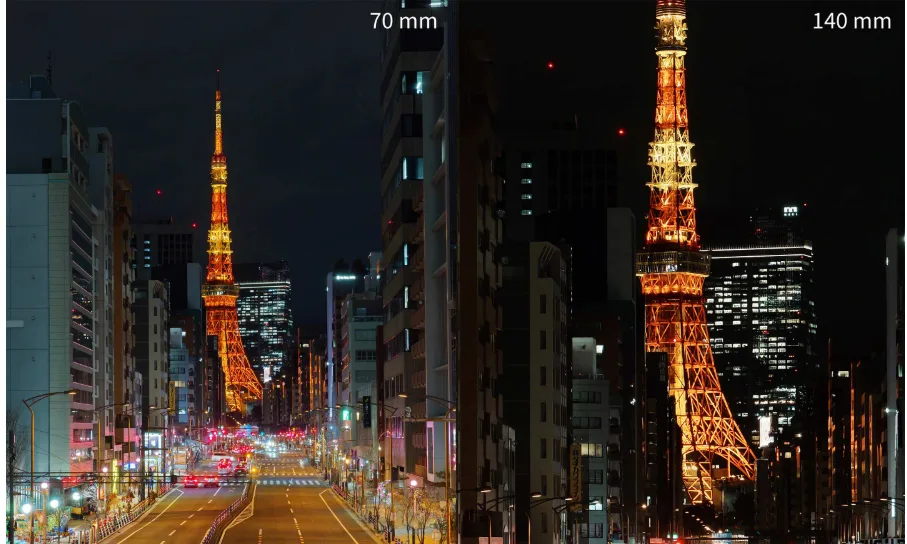
The Mark 7 used a clever 85-170mm continuous zoom lens attached to a tiny 12MP sensor. Sony has binned that entirely. The Sony Xperia 1 VIII telephoto camera is now a fixed 70mm prime lens on a 48MP sensor roughly four times larger than before, with a 140mm reach through a sensor crop.
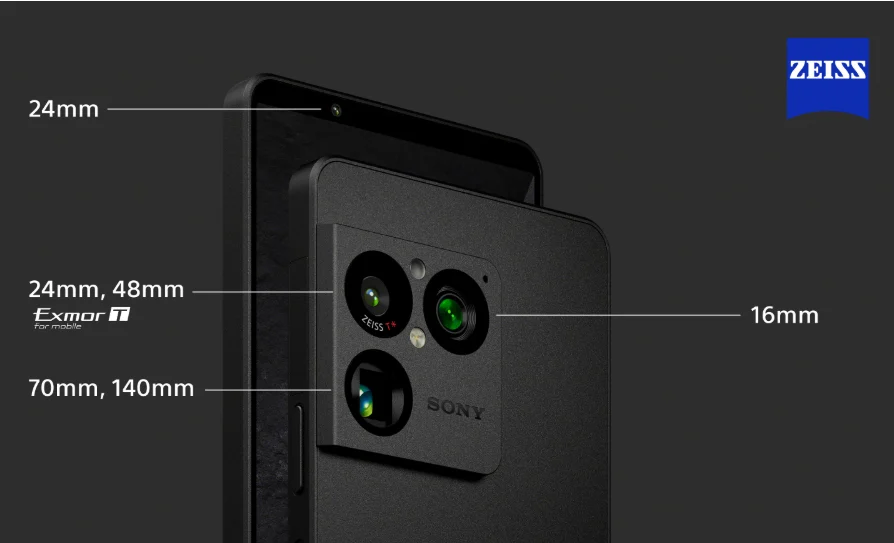
Photographers immediately understand the trade-off: flexibility for light. And truthfully, it was the right decision. At the zoo, photos of animals behind glass and in shaded enclosures were shot with detail that the Mark 7 simply couldn’t capture. Low-light telephoto shots that used to turn to mush now hold texture. The bokeh in the camera of the bigger sensor is clear that it was created from a dedicated camera, not just a phone’s.
The full setup
- 24mm main: 48MP Exmor T sensor at 1/1.28″, f/1.9, with lossless 48mm crop for portraits. This sensor is the same size as the one in Apple’s current flagship.
- 16mm ultra-wide: 48MP at 1/1.56″, f/2.0. This sensor is massive for an ultra-wide, about 167% larger than the iPhone’s.
- 70mm telephoto: the new 48MP unit described above, f/2.8.
- All three lenses have ZEISS T* coating to cut reflections and flare.
Night photography and processing
The improved image pipeline now stacks multiple RAW frames before processing, and it’s clear that the improvement in night photography is remarkable. Street scenes after dark are not brightened into that flat, fake “night mode” look; they’re darkened in the shadows of the night sky. Noise in the sky is controlled without ruining detail.
And here’s my favorite feature on the whole phone: you can turn computational photography off completely. Completely. If you’re a purist who wants the sensor’s honest output, Sony gives you that switch. No one else does.
Macro mode now works across all lenses; video shooters can get 4K 120fps on every rear camera, and Sony’s S-Cinetone color profile, eye autofocus, and focus peaking all carry over from the Alpha camera line. For content creators, there is an AI auto-framing mode and a clever feature that records a wide horizontal video and a cropped vertical one simultaneously. Two files, one take. If you post to YouTube and Reels, you already understand why that matters.
Where it stumbles
The 12MP selfie camera is unchanged for yet another generation, and it shows. It’s fine. Just fine. The new telephoto also can’t focus quite as absurdly close as the Mark 7’s could, so extreme macro shooters lose a little reach even though macro is now easier to access.
Sony Xperia 1 VIII vs iPhone 17 Pro Max: Camera Test
So, the headline question. I shot the Sony Xperia 1 VIII vs iPhone 17 Pro Max side by side for two weeks, and the answer is that they’re not even playing the same game.
Where the Sony wins:
- Telephoto detail. The 70mm prime with its huge sensor out-resolves the iPhone’s telephoto lens, especially indoors and at dusk.
- Ultra-wide quality. With a sensor 167% larger, the gap in low light isn’t close.
- Color truth. Skies are still the color they are. Skin tones don’t have the warm Apple glow.
- Video tools. 4K 120fps on all lenses, real manual controls, S-Cinetone, and a physical shutter button.
Where the iPhone wins:
- Consistency. Point, shoot, done. In the processing, Apple’s processing rescues shots that the Sony expects you to get right yourself.
- HDR balancing in brutal mixed light, like a person standing in front of a bright window.
- Selfies and ecosystem. No contest on either.
The same pattern holds in a Sony Xperia 1 VIII camera test against the Google Pixel 10 Pro: Google’s computational photography produces more instantly shareable images straight out of camera, and several side-by-side comparisons this spring showed the Pixel winning on pure point-and-shoot appeal. But the Pixel makes those decisions for you. The Xperia hands you better raw material and trusts you to do something with it.
If you shoot in auto and share straight to Instagram, buy the iPhone. If you know what an f-stop is or want to learn, the Sony Xperia 1 VIII is the more capable camera. That’s my real conclusion, and I didn’t expect the gap in the telephoto to be as wide as it is.
The AI Camera Assistant (and the Controversy)
At launch, Sony Xperia 1 VIII’s new AI camera feature was big on its toes, and it went bad. The AI Camera Assistant looks at the scene and recommends a lens, filter, or color profile in a small pop-up before you shoot. Sony’s promotional sample images in the early days were overexposed and heavily processed, and the internet noticed. For a brand whose entire credibility is built on natural, accurate color science, watching Sony demo an AI tool that made photos look worse was bizarre.
But that’s what the outrage cycle missed, too: the feature is entirely optional, and in practice it is quite restrained. I found the quick color profile suggestions useful when moving between indoor and outdoor light, and you can save custom profiles to a location and remember them later. Don’t want any of it? One toggle and it’s gone.
The controversy hurt the launch. It shouldn’t put you off the phone.
Performance and Battery Life
The Snapdragon 8 Elite Gen 5 is the fastest flagship processor available right now, and paired with 12GB of RAM and a vapor cooling chamber, the Sony Xperia 1 VIII simply doesn’t stutter. Genshin at max settings, 4K 120fps recording sessions, and heavy RAW editing: nothing made it sweat. The HS power passthrough feature, which runs the phone off mains power without charging the battery during long gaming or filming sessions, is the kind of thoughtful touch this phone is full of.
But the Sony Xperia 1 VIII battery life really surprised me. On paper, a 5,000mAh cell with 30W charging sounds behind the curve. In reality I was often ending days with 45-50% left and stretching nearly two full days per charge on average. The screen-on time was still well over six hours, with a screen-on time of around six hours on a good FHD+ LTPO panel and two dual light sensors.
The slow charging is a deliberate decision. Sony promises that the battery will hold 80% of its capacity after four years, and pairs that with 4 years of Android version updates and 6 years of security patches. Gentler charging is part of how they get there. I want faster top-ups. I know why I’m not getting them.
Price, Release Date, and Availability
The release date of the Sony Xperia 1 VIII was staggered, 13 May 2026, and retail availability was from mid- to late June depending on region. Here is the price breakdown of the Sony Xperia 1 VIII with its variant and market:
| Variant | RAM / Storage | UK Price | Europe Price | Japan Price | US (Import Estimate) |
| Standard (Graphite Black, Iolite Silver, Garnet Red) | 12GB + 256GB | £1,399 | $1,499 | ¥235,400 | ~$1,599–$1,750 |
| Native Gold | 16GB + 1TB | £1,849 | ~€1,860 | — | ~$2,100+ |
All variants support microSD expansion up to 2TB, so the 256GB base model is less limiting than it sounds. US prices are import estimates only since there is no official North American launch, and they exclude shipping and duties.
Two important buying notes:
- No US launch date. Sony has made clear that this generation doesn’t have North America in mind. Importing is possible, but you lose warranty coverage and carrier support.
- The pre-order bundle was outrageously valuable. Early buyers received Sony’s WH-1000XM6 noise-cancelling headphones (worth £329) for free. If we have a similar promotion for the holidays, then it changes the value equation meaningfully.
Indeed, it is expensive. Every 2026 flagship is. But you get hardware that no one else ships anymore.
Sony Xperia 1 VIII vs the Competition
| Feature | Sony Xperia 1 VIII | iPhone 17 Pro Max | Samsung Galaxy S26 Ultra | Google Pixel 10 Pro |
| Best For | Photographers & content creators | Apple ecosystem & consistent performance | All-around power users | AI-powered point-and-shoot photography |
| Telephoto Sensor | 48MP (1/1.56″) – Largest sensor | Smaller sensor | Smaller sensor | Smaller sensor |
| 3.5mm Headphone Jack | Yes | – | – | – |
| microSD Expansion | Up to 2TB | – | – | – |
| Notch-Free Display | Yes | – | – | – |
| Manual Camera Controls | Best-in-class | Limited | Good | Limited |
| Software Support | 4 years OS + 6 years security updates | ~6 years | 7 years | 7 years |
| Official US Availability | – | Yes | Yes | Yes |
The Samsung Galaxy S26 Ultra is the better all-rounder and has longer software support for the most part. Pixel 10 Pro is the smarter camera for people who never leave auto mode. Xperia is the better instrument.
Verdict: Should You Buy It?
Two weeks into this, and so far I have landed.
The Sony Xperia 1 VIII is not the phone for most people, and Sony knows that. The iPhone takes easier photos. The Galaxy does more things. The Pixel thinks harder so you don’t have to. If you want a phone that flatters every shot automatically, then pick one of them and be happy.
But if photography is behind why you buy a phone, this is the most capable camera hardware you can carry in your pocket in 2026. The new telephoto is a legitimate leap. The battery life embarrasses phones with much bigger cells. The headphone jack, expandable storage, shutter button, and the notch-free screen: every one of these is a feature the rest of the industry decided you didn’t deserve anymore, and Sony kept them all.
Can it beat the iPhone? At being an iPhone, no. At being a camera, absolutely.
Frequently Asked Questions (FAQs)
Q. Is the Sony Xperia 1 VIII camera better than the iPhone?
A. For a photographic purpose, yes. The Sony Xperia 1 VIII has bigger sensors on all three rear cameras, better telephoto detail, natural color, and far deeper manual controls. The iPhone 17 Pro Max still wins for ease of point-and-shoot consistency, HDR in tricky light, and selfies. It does depend on the way you shoot.
Q. Will the Sony Xperia 1 VIII be released in the US?
No. Sony has officially skipped a North American launch for this generation. US buyers can import through third-party retailers but without manufacturer warranty or carrier deals.
Q. How much does the Sony Xperia 1 VIII cost?
A. It starts at £1,399 / €1,499 for 12GB RAM and 256GB storage. The top-end Native Gold model with 16GB RAM and 1TB storage costs around £1,849. Pre-orders also came with free WH-1000XM6 headphones.
Q. How long does the Sony Xperia 1 VIII battery last?
A. Close to two days of moderate use from its 5,000mAh battery with more than six hours of screen-on time. Charging is capped at 30W wired and 15W wireless capacity to guarantee long-term battery health, and Sony guarantees four years of service for the battery health.
Q. Does the Sony Xperia 1 VIII have a headphone jack and microSD slot?
A. Yes to both. It keeps the 3.5mm headphone jack, a microSD slot for up to 2TB cards, front-facing stereo speakers, and a physical camera shutter button. It’s the only 2026 flagship that still has all of these.