
 Shikha Kumari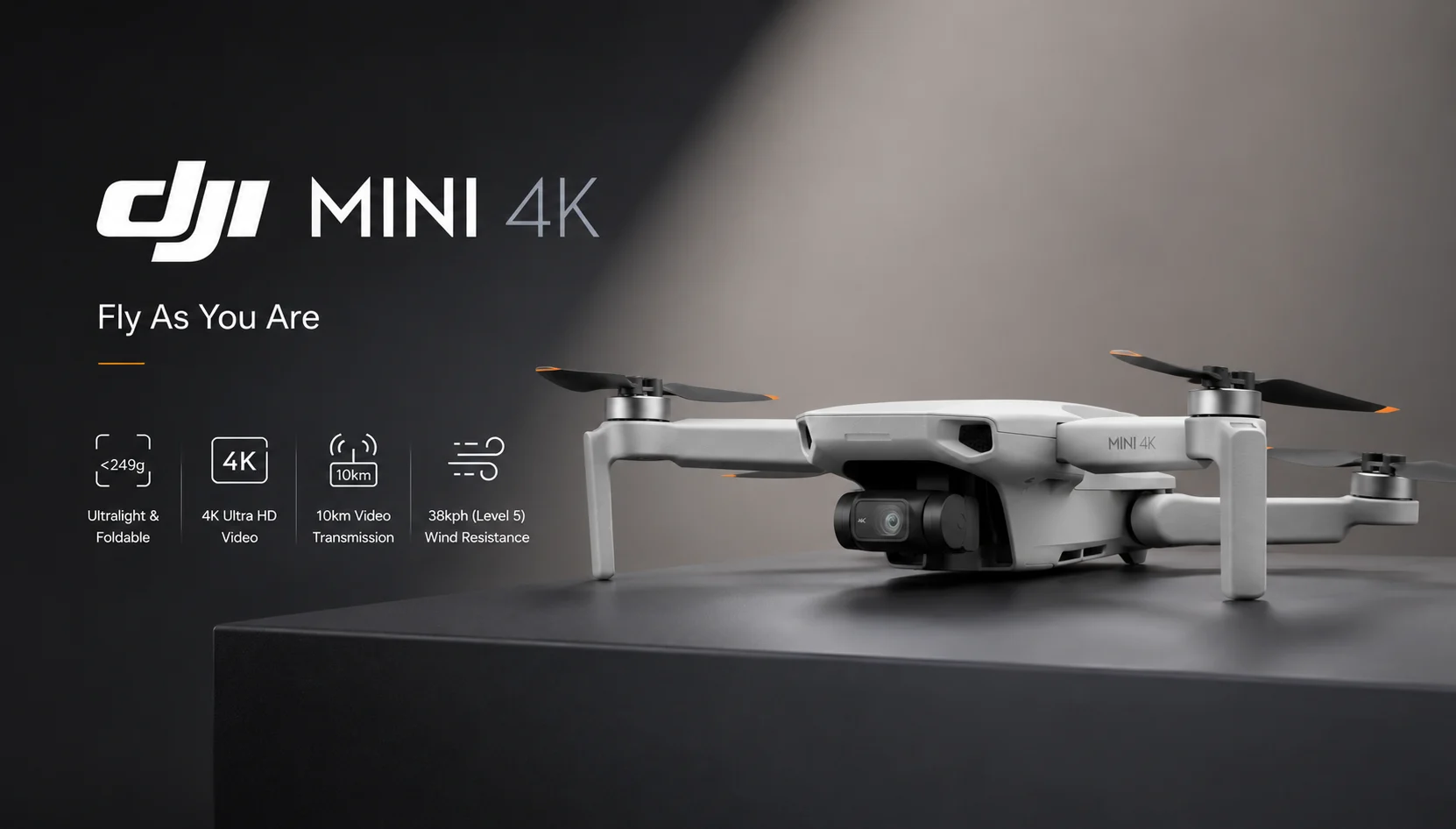
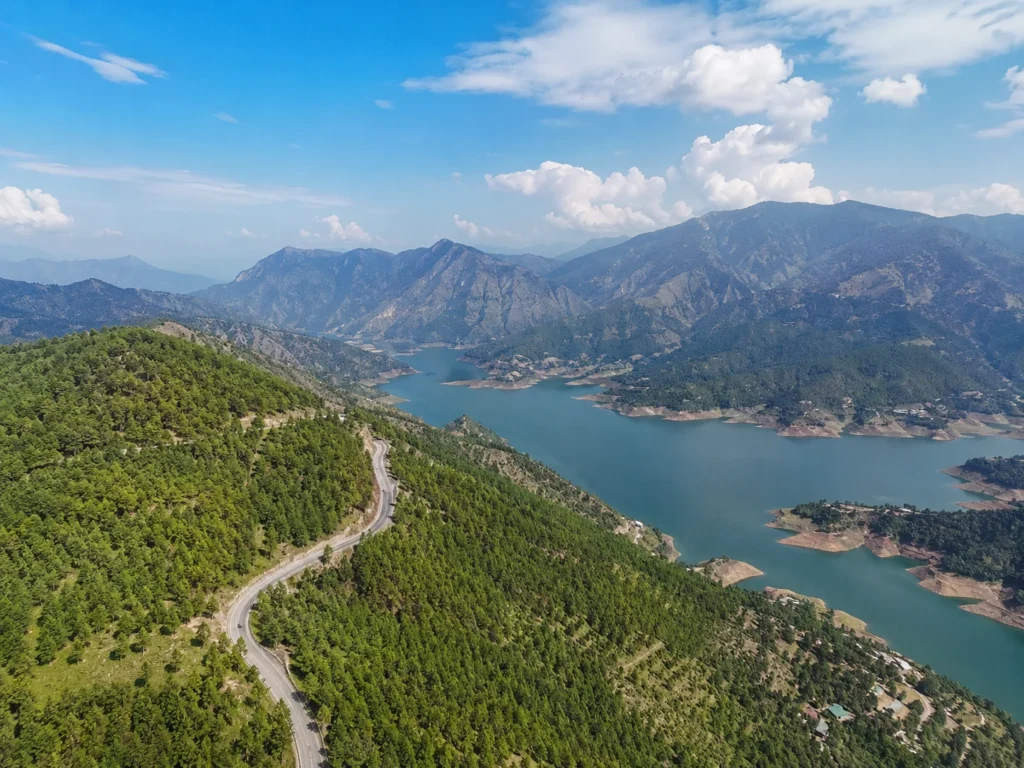
Imagine being next to the edge of a canyon at sunset. The warm colors of the canyons and creeks coating the ground are stunning, and you want to capture that amazing moment from above—but you want to do it without paying a fortune or spending hours learning how to fly a complicated machine.
The DJI Mini 4K was made with that problem in mind.
Introduced in April 2024, this small, lightweight, below-250g drone is one of the most buzzed-about entry-level drones ever made. Therefore, this review will cover everything about this product: camera performance, battery life, accessories, and whether or not it is worth your money for 2026.
What Is the DJI Mini 4K? A Quick Overview
| Feature | Specification & Capability | Real-World Benefit |
| Takeoff Weight | 246 grams | Legally bypasses recreational FAA/civil registration in most countries. |
| Video Resolution | 4K Ultra HD at up to 30 fps (100 Mbps) | Delivers crisp, high-bitrate cinematic footage on a budget. |
| Stabilization | 3-axis mechanical gimbal | Keeps your video stable and smooth, even during fast maneuvers. |
| Photo Formats | 12 MP (JPEG + DNG RAW) | RAW support gives you full freedom to edit colors and shadows later. |
| Battery Life | 31 mins max (approx. 22 mins real-world) | Plenty of time for quick casual flights, though a backup battery helps. |
| Wind Resistance | Up to 38 kph / 24 mph (Level 5) | Holds its position remarkably well on breezy beaches or hillsides. |
| Safety Features | Downward sensors & Smart Return-to-Home | Automatically flies back to the takeoff spot if the battery runs low. |
| Transmission Tech | DJI O2 (OcuSync 2.0) | Feeds a stable 720p live video view to your phone up to a 10 km range. |
| Smart Modes | One-tap QuickShots & Panoramas | Automatically flies complex paths (like circles or sweeps) for you. |
The DJI Mini 4K sits on the very low end of DJI’s Mini lineup — but “bottom” is very relative at this point in time, though. It’s positioned below the DJI Mini 3 and its more-advanced sister the Mini 4 Pro, but above anything DJI had ever done at this price point.
Consider it the spiritual heir to the DJI Mini 2 SE, except one big boost, now with proper 4K video recording—one small difference. Everything that the Mini 2 SE did right — it’s portable, the flight stability is solid, the controls are beginner-friendly — has been brought forward, although the camera sees a big upgrade. It’s DJI’s cheapest 4K drone, and a single sentence alone makes that entry worth the wait for a long time for many looking into their first serious aerial camera.
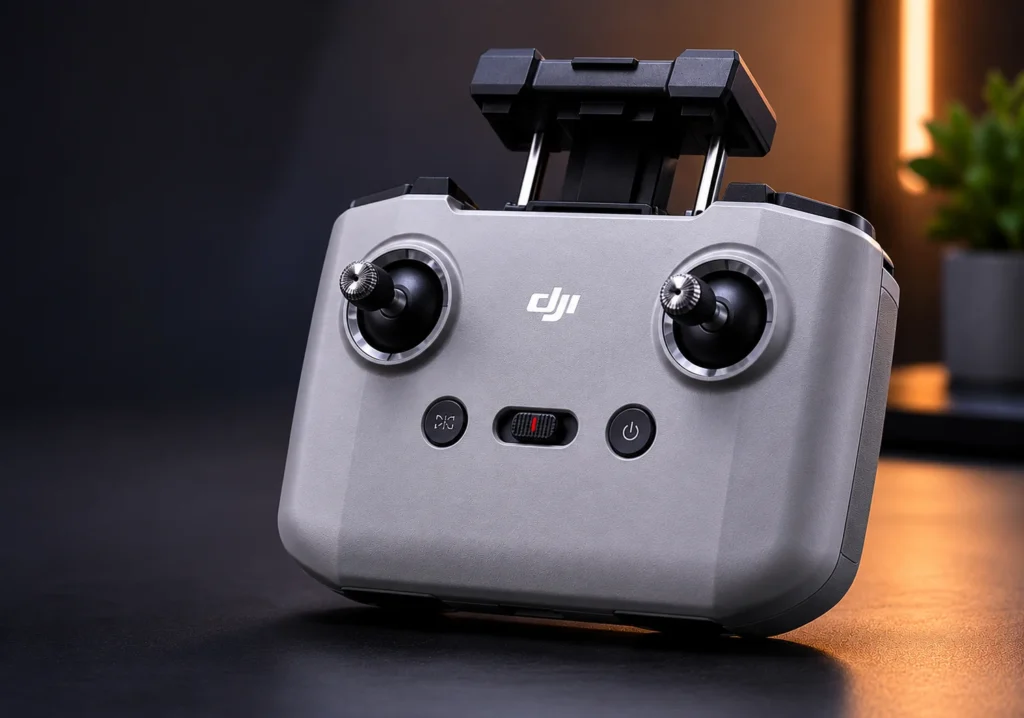
Mini 4K Price & Available Packages
| Package | Price (USD) | Price (GBP) | What’s Included |
| DJI Mini 4K (Drone Only) | $299 | £269 | Drone, battery, RC-N2 controller, accessories |
| Fly More Combo | $449 | £399 | Drone + 3 batteries, charging hub, shoulder bag |
| DJI Mini 4K + RC-N1 | Varies | Varies | Drone + updated RC-N1 controller |
The DJI Mini 4K has also been pegged as low as $249 on promotional platforms like Amazon by 2025 — an unreal value for a 4K-capable drone. Found it for $299 at the bottom, making it DJI’s most affordable 4K drone, an exceptional value relative to what 4K drones cost two or three years earlier.
DJI Mini 4K Design & Build Quality
Compact Enough to Forget You’re Carrying It
The DJI Mini 4K is extremely light at just 249 grams. That’s the weight of two eggs to put that in a nutshell—it’s exactly. That threshold of less than 250g is not just a design accomplishment; it’s a regulatory one. In the United States, for example, drones of less than 250g do not require FAA registration for recreational purposes, thus removing a significant barrier for new pilots.
It has a sleek and clean folding arm design. When folded, the drone is small enough to slip into either a jacket pocket or a small backpack’s side pouch. Unfolding it takes about 10 seconds — no tools, no fuss. Quality of build is good for the price. The plastic shell feels well-engineered rather than cheap, and the gimbal mechanism is protected by a removable cover during transport. The overall look remains true to the overall design language of the DJI Mini family as a whole — professional but understated, with a focus on purpose.
One detail: this isn’t a rugged drone. Don’t expect it to withstand rain or sand storms. It’s constructed for fair-weather flying, and that is very, very good news for most of the users for whom it was intended.
DJI Mini 4K Full Specs Breakdown
| Specification | Detail |
| Weight | 249 g (under FAA registration threshold) |
| Dimensions (Folded) | 148 × 90 × 62 mm |
| Dimensions (Unfolded) | 251 × 362 × 70 mm |
| Max Flight Time | Up to 31 minutes |
| Max Wind Resistance | Level 5 (up to 10.7 m/s) |
| Max Speed (Sport Mode) | 16 m/s (approx. 58 km/h) |
| Video Resolution | 4K at 30fps |
| Video Bitrate | 100 Mbps |
| Photo Resolution | 12 MP |
| Photo Format | JPEG / RAW |
| Sensor Size | 1/2.3-inch CMOS |
| ISO Range | 100–6400 |
| Gimbal Stabilization | 3-axis mechanical |
| Transmission System | DJI O2 |
| Max Transmission Distance | 10 km (unobstructed, interference-free) |
| Battery Capacity | 2590 mAh |
| Charging Time | ~75 minutes |
| Digital Zoom | 2x |
| Obstacle Avoidance | None |
DJI Mini 4K Camera Performance: Does It Really Make a Difference?
Yes—And When It Matters. Well, basically, the camera is the headline act here, and it works. For the first time as part of DJI’s entry-level offering, you’re getting 4K video at 30fps with a 100 Mbps bitrate. And that’s not even just a spec on paper—with this feature, sharper, sharper footage, and color detail on the Mini 2 SE at 2.7K for smaller video.
The 1/2.3-inch CMOS sensor isn’t exactly a piece of kit for a premium drone. You won’t see the same kind of low-light capabilities, of course, that you’d have with the DJI Mini 4 Pro’s larger sensor. But in bright daylight—which is when most casual users fly anyway—the footage looks genuinely terrific. Colors are vibrant, edges are crisp, and the footage holds up well even when cropped or edited in post.
At this price point, the powerful 3-axis mechanical gimbal offers an all-around value proposition. In contrast to electronic image stabilization, a mechanical gimbal compensates for drone movements physically, creating smooth, cinematic material even in moderate wind conditions. Looking at footage from that drone, you wouldn’t normally expect it to come from a sub-$300 device.
Photo Capabilities
On the photography element, the Mini 4K captures 12-megapixel stills in both JPEG and RAW formats. RAW support is especially great — it can enable full editing flexibility in Lightroom or Photoshop, which allows you to get detail out of shadows and highlights that JPEG compression would have squandered. Manual camera controls are also built into the device, and more advanced users can input exposure, as opposed to simply dialing it in by doing automatic work. Where It Falls Short.
Where It Falls Short
We need honesty in reviews, so this is the other side of the coin: the Mini 4K uses DJI’s older O2 video transmission system instead of the updated O3 on more premium models. O3 is more dependable at longer distances with video feeds, but for actual use—which could be within a few hundred meters — O2 works perfectly. There’s no obstacle avoidance system, either, so the experience of spatial awareness when flying is only on the pilot.
DJI Mini 4K Flight Performance & Stability
A Beginner’s Drone That Doesn’t Fly Like One
Flight performance is exactly where the DJI Mini 4K really punches above its weight in flight performance. Wind resistance at Level 5 (up to ~38 km/h) means that you can fly with ease in breezy coastal or countryside environments, not just during very quiet days in the park.
GPS and GLONASS positioning provide good hovering stability. When you release the sticks, the drone holds its position extremely well – and that is what a beginner needs: they don’t have to keep fighting the drone for years now.
It is able to reach the sport mode speeds of 58 km/h. That’s plenty of speed for making dynamic tracking shots or flying through picturesque countryside with high speed.
Again, the lack of obstacle avoidance here can be acknowledged as a legitimate consideration. In the wooded area or near buildings, the drone has to be careful; it won’t warn you against anything on the way to your landing. It’s a feature trade-off to keep the price down, but it does require extra diligent flying.
Smart Flight Modes via the App
Despite its entry-level positioning, the Mini 4K also features DJI’s beloved Quickshots technology:
Dronie: the drone flies backward and up while keeping the subject in frame
Circle: orbits around a fixed point
Helix: spirals upward around a subject
Rocket: climbs straight up while pointing the camera down
Boomerang: flies in an oval, climbing and descending
These automatic flight modes are really handy for producing professional shots without the technical elements of flying. You choose the mode, choose the subject, and the drone will do the rest.
DJI Mini 4K Battery Life: How Long Does It Last?
Real-World Numbers
The only spec is up to flight time, up to 31 minutes. The actual, real-world number? Usually between 25 and 28 minutes depending on wind and maneuvers and on utilization of the drone’s intelligent aspects. That’s still actually a good amount of time for a drone at the present price point. Most of the competing drones in this category operate between 20 and 24 minutes, so the Mini 4K battery capabilities bring a competitive edge.
A 2590 mAh intelligent flight battery takes around 75 minutes to charge with the USB-C cable. In addition, charging is done using the drone’s USB-C port, rather than a dedicated hub—convenient for casual users and somewhat slower for those wanting to change multiple batteries quickly.
Battery Tips for Getting the Most from Each Charge
- Always preheat the battery if it’s cold—you can’t expect lithium batteries to operate well if their temperature is less than 15°C.
- Returning home with a full 20% battery is a smart lifestyle—not the norm.
- Store at 50-60% charge if you’re not flying for more than 10 days (the battery will automatically self-discharge to storage level).
- If you can, fly in calm weather, when possible—battling the wind depletes the battery more quickly.
Best DJI Mini 4K Accessories Worth Buying
Essential Add-Ons to Enhance Your Experience
Extra Batteries. No-nonsense requirement for anyone serious about flying. One battery provides you ~25 minutes of practice. So two or three batteries convert a brief outing into a well-ordered shooting day.
ND Filter Set. Neutral density filters are your camera drone’s sunglasses. Well, they actually work to provide you with the necessary shutter speed for cinematic 4K footage in bright daylight (usually 1/60 sec. for 30 fps). If not, your footage is slightly over-sharpened in harsh light. Search for ND4/ND8/ND16 combos exclusively for the Mini 4K’s lens diameter.
Landing Pad. If you’re flying off grass, sand, or gravel, you could kick up debris to the motors. A collapsible landing pad is a cheap and wise investment, particularly when flying on beaches or dirt trails.
Shoulder Bag or Hard Case. The Fly More Combo comes complete with a shoulder bag, but a hard carry case brings even more protection if you’re traveling with checked luggage or hiking to remote areas.
Propeller Guards. To total newbies, propeller guards make you less likely to get damaged in the early flight when the occasional low-altitude bump is almost guaranteed.
64GB+ MicroSD Card (Class 10 / U3). 4K at 100 Mbps yields big files. A 32GB card fills up fast. You will never run out of space in the middle of a session if you invest in a 64GB or 128GB U3/V30 grade microSD card.
DJI Mini 4K vs. Competitors: How Does It Stack Up?
DJI Mini 4K vs. DJI Mini 2 SE
| Feature | DJI Mini 4K | DJI Mini 2 SE |
| Video Resolution | 4K 30fps | 2.7K 30fps |
| RAW Photo Support | Yes | No |
| Price | ~$299 | ~$299 (legacy) |
| Gimbal | 3-axis | 3-axis |
| Battery Life | 31 min | 31 min |
| Obstacle Avoidance | No | No |
Who Should Buy the DJI Mini 4K?
It’s Perfect For…
- First-time drone pilots who want high-quality camera footage without a large learning curve.
- Photographers and videographers who aim for a lightweight kit.
- Creators seeking to put aerial footage on top of their YouTube, Instagram, or TikTok content.
- Recreational hobbyists who fly and require an entertaining, competent drone.
- Parents purchasing a first drone as a hobby for a youth with an interest in photography.
It’s NOT Ideal For…
- Professional filmmakers who need 4K 60fps, HDR or Log color profiles.
- Pilots who fly often in complex environments with complex obstacles.
- Users who want reliability from long-range communications for advanced film work.
- Those who need active subject tracking in sports or action footage.
The Verdict: Should You Buy the DJI Mini 4K?
The DJI Mini 4K has achieved a good balancing act between price accessibility and the best in imaging quality. DJI stripped away all the bells and whistles noise—multi-directional obstacle tracking, for example, or internal storage—to deliver pristine 4K video quality, rock-solid stability, and the finest software handling available at an entry-level price.
A good reason to see the Mini 4K as one of the most effective purchase options on offer today: you are a beginner or intermediate looking for learning the ropes of flight orientation, a traveling drone seeker in search of an ultra-light travel camera, or a content creator for those on a tight budget.
Disclaimer: The specifications, performance data, and pricing are for informational purposes only. Values may vary based on condition, originality, and market trends. Prices are estimates. For accurate details, consult the website and sources.
Frequently Asked Questions (FAQs)
Q. What's the flight time of the DJI Mini 4K drone?
A. If you want a fast, portable drone—a few minutes to go in one charge—the DJI Mini 4K can run for 31 minutes.
Q. Does the DJI Mini 4K support RAW photo capture?
A. Yes, the DJI Mini 4K supports RAW photo format. This is more advantageous for photo makers and offers greater flexibility to edit high-quality photographs.
Q. What is the maximum video resolution of the DJI Mini 4K?
A. At 30 frames per second of video, the DJI Mini 4K was capable of shooting videos in stunning 4K while delivering crisp and detailed footage.
Q. Is the DJI Mini 4K for beginners?
A. Absolutely. The lightweight design, 3-axis stabilization of their gimbal, and quick hand-rolling controls make the DJI Mini 4K ideal for novices and experienced pilots alike.
Q. Does the DJI Mini 4K have obstacle avoidance?
A. The DJI Mini 4K does not offer obstacle avoidance, and pilots should travel cautiously in their approach with the necessary measures to avoid obstacles in their flight, so no need to get into trouble in the loop.