
 Shikha Kumari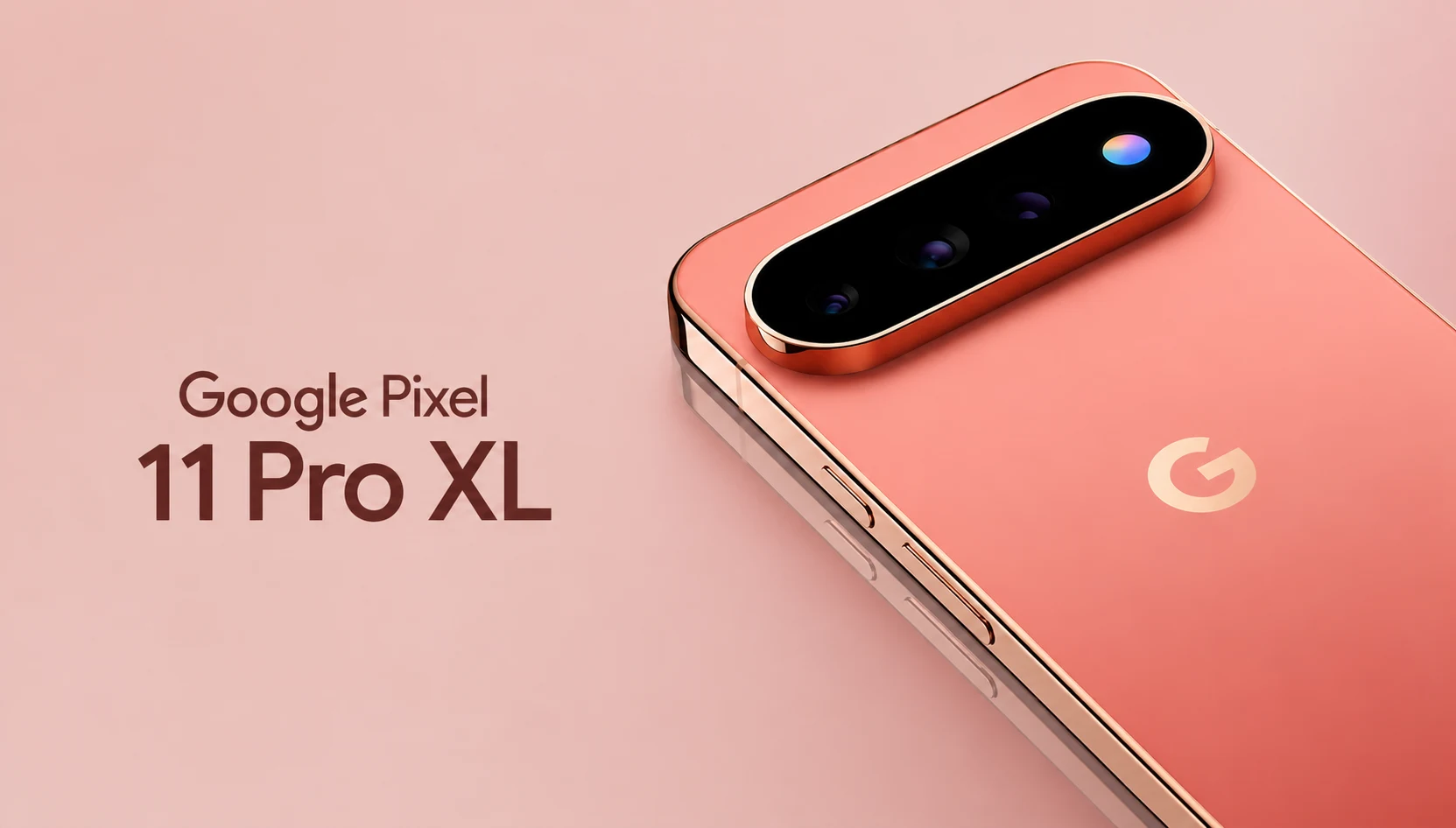
Google shipped the Google Pixel 11 Pro XL on August 20, 2026, and within a week the reviews divided into two camps. One camp loves the camera and the new dictation tool. The other points are at the price tag and the shrunken RAM. Both are right, which makes this one of the harder flagship recommendations of the year.
I spent time with the specs, the early hands-on reports, and the benchmark leaks so you don’t have to piece it together yourself. This Google Pixel 11 Pro XL review answers the question most buyers are actually asking: at $1,299, does Google’s biggest phone beat the Samsung Galaxy S26 Ultra, or does Samsung still own the top of the Android pile?
By the end, you’ll know where the Pixel wins, where it stumbles, and which phone deserves your money.
Pixel 11 Pro XL at a Glance
Google announced the phone at its Made by Google event on August 12, 2026, and it landed on the market eight days later. The Pixel 11 Pro XL price starts at $1,299 for the 256GB model, up a hundred dollars from last year’s Pixel 10 Pro XL.
Here are the Google Pixel 11 Pro XL specs that matter:
- Display: 6.8-inch LTPO OLED, 2992 x 1344 resolution, 120 Hz refresh (drops to 1 Hz), 3,600-nit peak brightness.
- Processor: Google Tensor G6, built on a 3 nm process.
- RAM and storage: 12GB RAM, starting at 256GB (Google dropped the 128GB base model).
- Rear cameras: 50MP main, 48MP ultrawide, and 48MP 5x telephoto.
- Front camera: 42MP.
- Battery: roughly 5,115 mAh, 45 W wired, 25 W wireless via Qi 2.2.
- Software: Android 17 with seven years of updates.
- Extras: IP68 rating, vapor-chamber cooling, Titan M3 security chip, in-display fingerprint reader.
Those numbers tell part of the story. The rest lives in how the phone behaves once you pick it up, and that’s where the picture gets more interesting.
Pixel 11 Pro XL Design and Display: gorgeous, but a two-hander
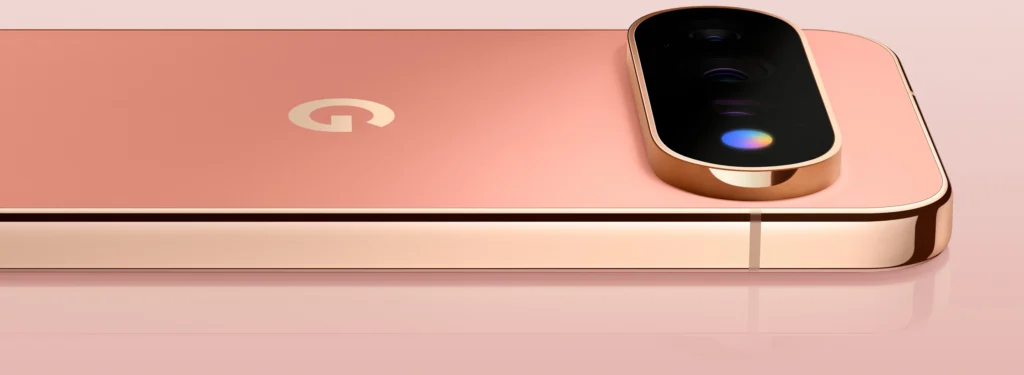
The Pixel 11 Pro XL looks like the Pixel 10 Pro XL. Same camera visor across the back, same clean front, same premium metal-and-glass build. If you buy one, casual observers won’t clock it as the newest phone unless you tell them. The freshest touches are the new color options and a small light on the back panel that Google calls HiLight.
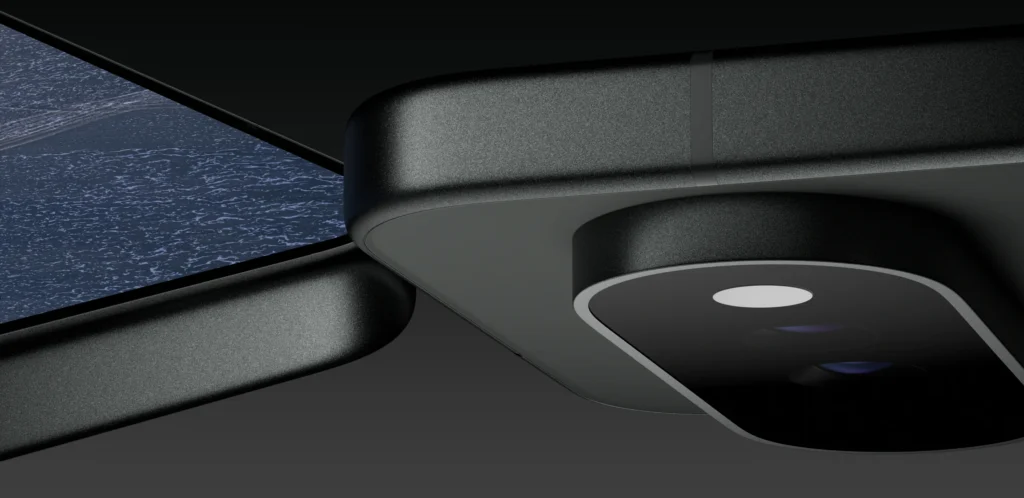
The 6.8-inch OLED panel earns its praise. At 2992 x 1344 it stays pin-sharp, and the peak brightness climbs to 3,600 nits, up from 3,300 on last year’s model. Outdoors in direct sun, the screen stays readable. The 120Hz refresh rate scrolls smoothly and pares down to 1Hz for the always-on display, which trims battery drain when the phone sits idle.
The size tax
Here’s the trade-off nobody mentions in the marketing. This is a two-handed phone, full stop. Reviewers who tested it struggled to scroll one-handed, and reaching the top corner with a thumb is a lost cause. If you have smaller hands or you like operating your phone on a crowded train, the smaller Pixel 11 Pro carries an identical spec sheet apart from screen and battery size. You lose nothing on cameras or chips by going smaller.
One flaw the spec sheet hides: the display’s PWM dimming rate is on the low side. People sensitive to screen flicker report eye strain on low-PWM panels, and a couple of early reviews flagged it here. If headaches from OLED screens are a known issue for you, test the phone in person before committing.
Pixel 11 Pro XL Tensor G6 and performance: the RAM problem
Google’s Tensor chips have never won benchmark shootouts, and the Tensor G6 continues that pattern with an asterisk. Verified Geekbench runs on the Pixel 11 Pro XL show single-core scores near 2,800 and multi-core results above 7,500. That lands about 20 to 25 percent ahead of the Tensor G5, one of the larger generational jumps Google has posted.
The Galaxy S26 Ultra and the iPhone 17 Pro Max still pull ahead on raw multi-core numbers, particularly under sustained heavy loads. For most people, the gap won’t surface. Browsing, messaging, camera work, and app switching all feel quick. Google claims 25 percent faster browsing and a 50 percent more powerful TPU for its AI features, and the daily experience backs up the smoothness even if the numbers trail the competition.
Where Google cut corners
Two decisions raised eyebrows among reviewers, and they should raise yours too.
First, the RAM dropped from 16GB on the Pixel 10 Pro XL to 12GB here. Google blames the global RAM supply crunch, which is fair enough, but on a phone whose entire pitch centers on on-device AI, less memory is an odd place to economize. Second, Google trimmed a CPU core from the configuration and stuck with a mid-tier graphics chip that still lags on the newest Vulkan graphics APIs. Serious mobile gamers will notice.
What most guides miss: the headline benchmark number matters less than sustained performance, and nobody has published a proper thermal-throttling test yet. A chip that scores 7,500 once and then sags when it heats up serves you worse than one that holds 7,000 through a long session. The Pixel 11 Pro XL adds vapor-chamber cooling, which should help, but treat the raw Geekbench figure as a ceiling, not a promise. Wait for sustained-load testing before you judge gaming performance.
The Pixel 11 Pro XL Camera: where Google still wins
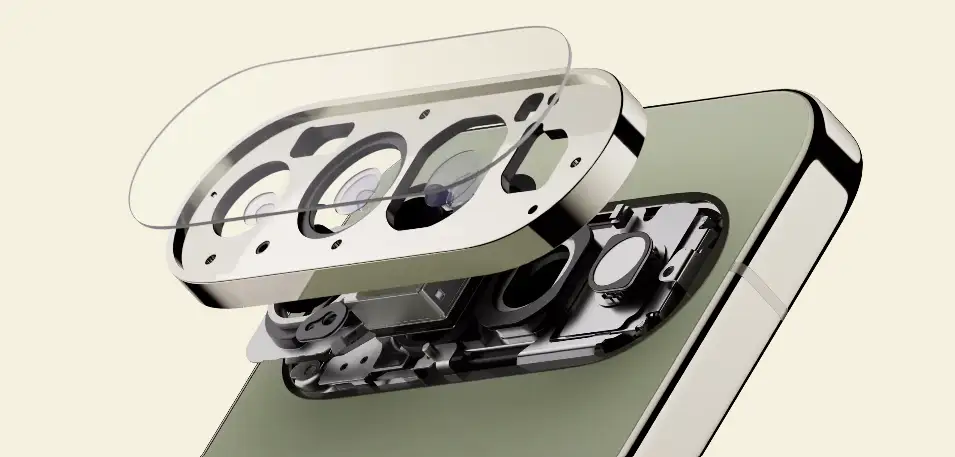
Google gave both the main and telephoto sensors a size bump over the Pixel 10 Pro XL. The main camera is now a 50MP sensor, the 5x telephoto jumps to 48MP, and the ultrawide holds at 48MP. Bigger sensors pull in more light, which helps in dim rooms and after sunset.
The practical upgrade you’ll feel every day is speed. The camera app opens faster, the shutter fires faster, and Night Sight processes low-light shots in a fraction of the old wait. You no longer have to hold the phone dead still for several seconds, so you get fewer blurry frames of a moving toddler or a restless dog.
Point-and-shoot reliability
This is the Pixel’s real edge. If you want a phone that nails the photo the first time without fiddling, the Pixel 11 Pro XL is the pick. It handles moving subjects, babies, pets, and kids mid-run, better than Samsung’s Galaxy S26 lineup, which tends to smear motion. One reviewer who tested the Pixel alongside Samsung’s flagship said the Pixel would be his choice for anyone who wants a dependable grab-and-go camera.
The catch: several ultra-premium Chinese phones, including the Xiaomi 17 Ultra and Oppo Find X9 Ultra, carry more capable camera systems overall. Most US and Gulf buyers won’t cross-shop those, but if outright camera supremacy is your goal, the Pixel 11 Pro XL isn’t the global champion this year.
Zoom and the new photo tools
Pro Res Zoom, which uses AI to reconstruct detail past 30x, now stretches to 120x, up from 100x last year. Be realistic about it. At maximum reach you’ll fight camera shake, and the results at 120x look more like a rough record than a keeper. In the 5x to 20x band, though, you get genuinely usable shots.
Google also added Looks, a set of photographic styles that change how the phone processes color and grain rather than slapping a filter on top. Options run from natural and shadows to editorial, classic, and a grainy digi mode that mimics an old point-and-shoot. Magic Capture is the other standout: start a short video clip, and the phone pulls the sharpest frames out as still photos. It saves those stills at 12MP and struggles with fast motion, but for candid moments it earns its place.
Pixel 11 Pro XL AI features worth caring about
Every phone maker is drowning buyers in AI claims, so the fair test is simple: which features would you actually use twice? A few here pass.
Rambler
Rambler is the surprise winner. It’s an AI dictation tool that strips filler words like “um” and “ah” and presents clean text as you speak. It’s adapted to noisy rooms and switches between languages without choking. That is the kind of thing you will want to reach for daily if you want to dictate notes, emails, or messages, and it competes with dedicated apps like Wispr and Willow.
Gemini and Proactive Suggestions
Gemini now offers Proactive Suggestions, which surface context-aware prompts pulled from your apps. Someone texts asking about your schedule, and Gemini can offer your availability. In practice it’s inconsistent. It only reads Google’s own calendar, not third-party ones, and it misses obvious cues, like failing to pull your address from email when a contact asks for it. Agentic tasks, like placing a food order on your behalf, work in the US but stay locked in some regions, including much of Asia.
HiLight
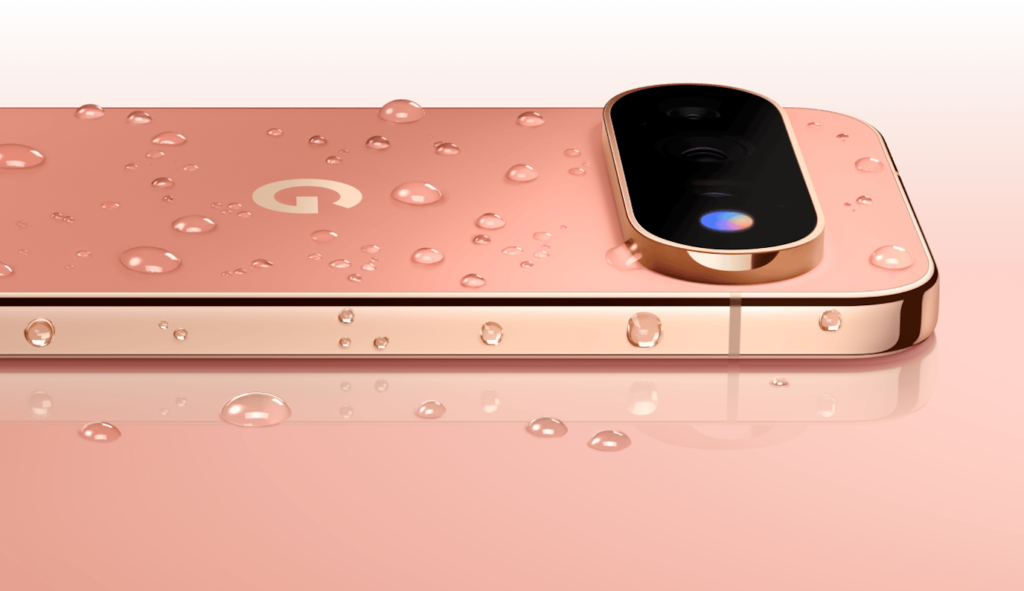
HiLight is a small LED on the back that glows in different colors for calls from favorite contacts or when Gemini is listening. Google pitched it as a way to look at your screen less. It’s cute. It’s also thin on real use because it ignores texts and only lights up for a handful of triggers. A custom ringtone does most of the same job. The idea has room to grow if Google opens it to more apps and notification types, but today it’s a novelty, not a reason to buy.
Pixel 11 Pro XL Battery and charging: the story nobody’s leading with
Most of the news coverage buried the main hardware shift in this generation, so let’s bring it all out right now. Google finally dropped the Samsung-derived Exynos modem and switched to the MediaTek M90.
Over the years Pixel owners have grumbled about the same two things: poor cell reception in fringe areas and quick battery drain when the phone connects to 5G or mobile data. The old modem ran hot and inefficient, and performance suffered when it warmed up. If the MediaTek M90 can deliver on efficiency, it solves something that has quietly ruined the daily experience for years, and it matters more than any benchmark score.
The battery itself is a little smaller at 5,115 mAh compared to the Pixel 10 Pro XL with 5,200 mAh. Google makes up for that with efficiency gains, up to 20 percent better power draw from the Tensor G6, and 30 hours of runtime. Take the 30-hour figure with caution. Google has made that same claim for a number of generations, and the phones rarely reach it in real-world mixed use. At the time of writing, independent battery drain tests had not been released, so this is the number to check before you buy.
Charging improved on both sides. Wired speed increases from 30W to 45W, and wireless increases from 25W to 30W with Qi 2.2 on the fly, assuming you have an adapter and cable that Google does not provide in the box.
Pixel 11 Pro XL vs Samsung Galaxy S26 Ultra
This is the matchup that the title speaks of, so let us settle it. The Galaxy S26 Ultra launched in March 2026 and is priced at $1,299.99 for 256GB, which is almost as good as the Pixel for dollars. Here are the two flagships.
| Feature | Google Pixel 11 Pro XL | Samsung Galaxy S26 Ultra |
| Starting Price (256GB) | $1,299 | $1,299.99 |
| Display | 6.8-inch OLED, 3,600 nits | 6.9-inch AMOLED 2X, anti-reflective |
| Processor | Tensor G6 (3 nm) | Snapdragon 8 Elite Gen 5 for Galaxy |
| RAM | 12GB | 12GB (16GB on 1TB) |
| Main Camera | 50MP | 200MP, f/1.4 |
| Telephoto | 48MP 5x periscope | 50MP 5x periscope + 10MP 3x |
| Ultrawide | 48MP | 50MP |
| Max Zoom | 120x (AI) | 100x |
| Battery | ~5,115mAh | 5,000mAh |
| Wired Charging | 45W | 60W |
| Stylus | No | S Pen included |
| Video | Up to 4K | Up to 8K |
| Software Support | 7 years | 7 years |
Where Samsung wins
The Galaxy S26 Ultra stands out from the Pixel on paper and in a lot more real life. Its Snapdragon chip beats the Pixel and can handle games like a pro. The 200MP main and dual telephoto setup gives you more framing flexibility and richer detail for cropping. Samsung makes a charge that is faster at 60W, captures 8K videos, and has an S Pen, so no Pixel has one. The 6.9-inch display is just bigger than its predecessor and has an anti-reflective coating, cutting glare.
Where the Pixel wins
The Pixel 11 Pro XL counts the things you touch every day. Its point-and-shoot reliability is better than Samsung’s, especially for motion and low light, so more casual shots come out right the first time. Google’s software feels cleaner, and features like Rambler and the faster Night Sight solve real annoyances rather than just add to a spec sheet. Pixel also promises the same seven years of updates while keeping the interface less cluttered than Samsung’s One UI.
The honest answer is the Galaxy S26 Ultra is the more powerful and versatile piece of hardware. Samsung wins if you want the biggest sensor, the most zoom options, a stylus, and top-tier gaming. The Pixel 11 Pro XL wins if you want a camera that thinks for you, software that stays out of your way, and AI tools that you will be using without having to be told to. For most everyday shooters, the Pixel’s approach makes a better daily experience despite the spec battle.
Is the Pixel 11 Pro XL worth buying?
Split this by who you are.
Coming from a Pixel 9 Pro XL or older: yes, this is a clean upgrade. Camera speed, a brighter screen, new AI tools, and modem swaps all come together to make for a phone that is completely ahead of what you’re holding.
Coming from a Pixel 10 Pro XL: hold off. The Pixel 11 Pro XL is an iterative update. Many of its software wins, including some camera features, will roll down to your current phone as Pixel Drop updates. It doesn’t make sense to pay $1,299 to replace a phone a year old unless the faster cameras solve a specific problem for you.
If raw power, zoom range, and a stylus are the most important things in your opinion, Pixel vs Samsung: The Galaxy S26 Ultra is the safer flagship. Pixel is the best choice for the most reliable point-and-shoot camera and cleanest software.
Want the Pixel but not the size: buy the smaller Pixel 11 Pro. It is in the same category as this phone on cameras and chips, costs less, and fits one hand more comfortably.
The Pixel 11 Pro XL is an excellent phone held back by a $100 price hike, less RAM than last year’s, and a design that plays it safe. A solid choice and one that is not an obvious one.
The Verdict
Will the Pixel 11 Pro XL beat Samsung’s best flagship? On a spec sheet, no. The Galaxy S26 Ultra is more powerful, shoots at higher resolution, charges faster, and throws in an S Pen. On the parts of the phone ownership that you touch every day, the Pixel makes a stronger case: a camera that takes the shot without fuss, software that pays attention to your attention, and AI features such as Rambler that find a place in your daily routine.
The best phone for you comes down to what you weigh more heavily, raw capability or daily ease. Power users and mobile photographers who like details should lean over to Samsung. And those who want a point-and-shoot that thinks for them and a phone that is clean and current will go for Pixel.
If you’re upgrading from a Pixel 9 Pro XL or older, you’re going to do OK with it, and if you’re going to buy the Pixel 11 Pro, wait for a generation. And if the 6.8-inch screen is too much, you get the same brain in a friendlier body for less money.
Prices, promotions, and availability change often and vary by region. Check the prices with Google, Amazon, or your local carrier before purchasing (especially for US and Gulf market buyers, where launch deals differ).
Frequently Asked Questions (FAQs)
Q. What is the Google Pixel 11 Pro XL price and release date?
A. The Pixel 11 Pro XL launched on August 20, 2026, after Google announced it on August 12. It starts at $1,299 for the 256GB model, which is $100 more than the Pixel 10 Pro XL last year. Google has also dropped the 128GB base tier.
Q. Does the Pixel 11 Pro XL have a better camera than the Galaxy S26 Ultra?
A. It depends on how you shoot. The Galaxy S26 Ultra has a higher-resolution 200MP main sensor and better zoom flexibility to capture more detail and framing options, so it has more zoom control and a better quality of images. The Pixel 11 Pro XL is more reliable for everyday point-and-shoot photos, particularly of moving subjects and low light, thanks to Google’s computational processing.
Q. How is the Pixel 11 Pro XL battery life?
A. Google claims over 30 hours from the nearly 5,115 mAh battery thanks to the new faster Tensor G6 and a new MediaTek modem. But that has been optimistic with Pixels past, so look for independent drain tests. Charging was up to 45W wired and 25W wireless.
Q. Is the Tensor G6 fast enough for gaming?
A. For casual games, yes. Geekbench scores are about 20 to 25 percent ahead of last year’s chip, but the Tensor G6 is still behind the Snapdragon in the Galaxy S26 Ultra, and its graphics chip struggles with the latest APIs. Heavy mobile gamers will see the gap, and sustained-performance testing is still pending.
Q. Should I upgrade from the Pixel 10 Pro XL to the Pixel 11 Pro XL?
A. In the end, no. The Pixel 11 Pro XL is an iterative update, and some of its software features will reach the Pixel 10 Pro XL with updates. The main reasons to jump are the faster cameras and the new modem. If neither of them solves a real pain point for you, keep your current phone.