
 Shikha Kumari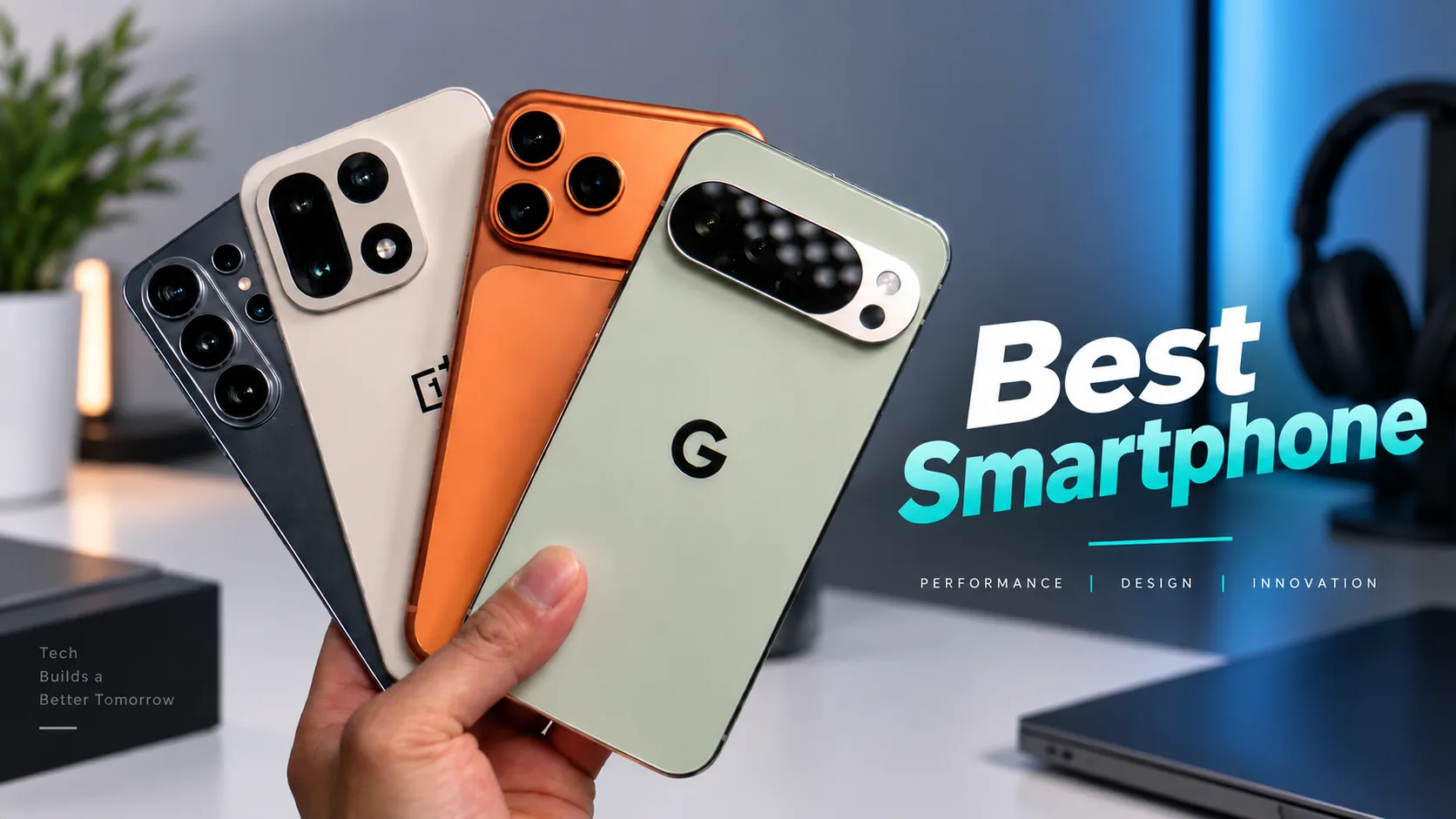
Walk into any store this year and you will see a wall of glass slabs that all look roughly the same and all claim to be the future. The gap between them is wider than it has ever been. Spend $1,300 and you get a phone that shoots studio-grade photos and holds a charge through a long-haul flight. Spend $300 and you still get a phone that would have counted as a flagship four years ago.
The best smartphone in 2026 are not hard to find. Knowing which one fits your hand, your budget, and the way you actually use a phone is the harder part. This guide skips the spec-sheet worship and tells you which phones are worth buying right now, who each one is for, and where your money stops buying anything you will notice.
How we picked the best smartphone for 2026
A phone is not a benchmark score. It is the thing you pull out forty times a day, half-asleep, in bad light, with one hand full of groceries. So the picks below lean on how these phones behave in that real context, not just how they place on a chart.
Three things carried the most weight. Battery that survives a heavy day without a lunchtime top-up. Cameras that get the shot right the first time, because you rarely get a second one. Software support long enough that the phone still gets security patches when you are ready to hand it down.
Price sits over all of it. A phone that costs $500 and does 90% of what the $1,300 model does is, for most people, the smarter buy. That trade-off runs through every recommendation here.
The best smartphone overall right now
If you want one phone that gets almost everything right and asks you to compromise on almost nothing, the Google Pixel 10 Pro XL is it. Reviewers who test dozens of handsets a year have called it the most complete phone they have put through their labs. That is not marketing noise. It earns the spot.
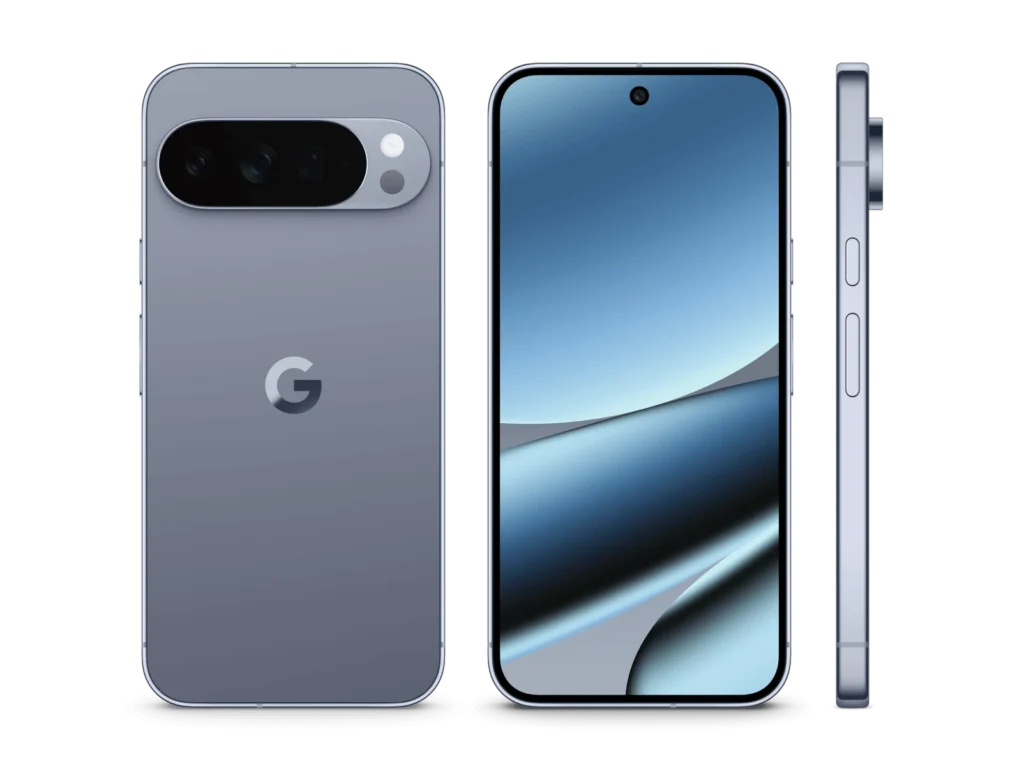
The reason is software. Google’s version of Android feels less cluttered than what Samsung ships, the on-device AI features get used instead of ignored, and the camera does the thinking so you do not have to. Point, shoot, and the photo already looks the way you hoped it would. The Tensor G5 chip is not the fastest silicon on this list, but you will not feel that gap outside of a benchmark app.
There is one catch worth knowing. Google launched the Pixel 11 range in August 2026, which means the 10 Pro XL has quietly slid down in price since release. That makes it a better deal today than it was on day one. If you want the finest all-rounder without paying the newest-model tax, this is the buy.
Best iPhone in 2026
The iPhone 17 Pro Max is the phone to get if you live inside Apple’s world or you shoot a lot of video. Nothing else records footage this clean, and nothing else hands off between a phone, a laptop, and a watch as smoothly.
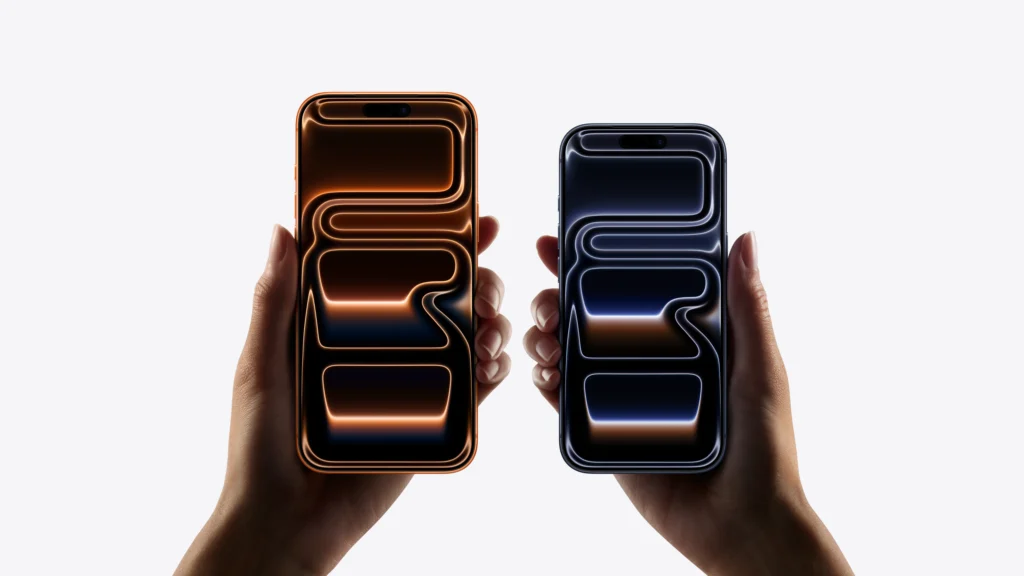
Apple’s A19 Pro chip still leads in single-core speed and in the way apps launch and games render. Battery life is genuinely all-day, the 4,832mAh cell paired with iOS power management getting most people to bedtime with room to spare. The display picked up extra anti-reflective coating this year, so reading outdoors in harsh sun is easier than on the model it replaced. Storage climbs all the way to 2TB, which matters if you film in ProRes and never want to think about space.
The starting price is $1,199. That buys ecosystem lock-in as much as hardware, and if you already own AirPods and a MacBook, that lock-in is a feature, not a tax.
The affordable iPhone worth a look
Not everyone needs the Pro Max. The iPhone 17e brings the same A19 chip and a 48MP camera down to $599, with 256GB of storage as standard now. The notch looks dated in 2026 and there is only one rear lens, but as the cheapest way into iOS with flagship-grade speed, it does its job.
Best Android flagship in 2026
For raw ambition, nothing beats the Samsung Galaxy S26 Ultra. Samsung threw every idea it had at this phone, and most of them landed. You get a 200MP main camera, the S Pen tucked into the body, and a genuinely useful privacy display that makes it hard for the person next to you on the train to read your screen.
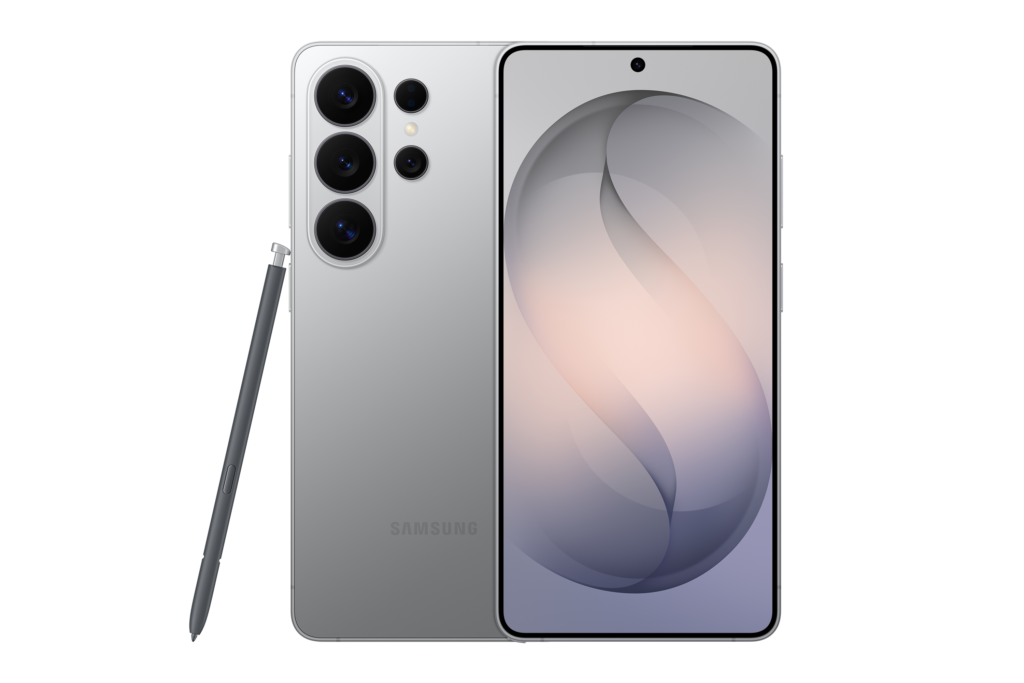
Under the glass sits the Snapdragon 8 Elite Gen 5, the fastest chip any Android maker can buy right now. It posts multi-core scores well above the iPhone, which shows up when you export video or run AI tasks on the device (insert live source: Geekbench comparison data). Samsung also trimmed the weight to 214g and the thickness to 7.9mm, so despite the enormous 6.9-inch screen it feels less like a brick than last year’s Ultra.
The battery holds at 5,000mAh for a sixth straight year, and charging tops out at 60W, quick but not class-leading. At $1,299 it is the priciest of the mainstream flagships, and in most head-to-head reviews it edges out the iPhone for the overall Android crown by a slim margin (insert live source: flagship comparison verdict). If you want the most capable Android phone and you like to tinker, this is the one.
Flagship face-off: the three phones at the top
Numbers only tell part of the story, but they help you see where each phone leans. Here is how the three flagships stack up on the specs that change the daily experience.
| Feature | Pixel 10 Pro XL | iPhone 17 Pro Max | Galaxy S26 Ultra |
| Chip | Tensor G5 | A19 Pro | Snapdragon 8 Elite Gen 5 |
| Main camera | Triple lens, computational lead | 48MP Fusion | 200MP |
| Battery | ~5,000 mAh class (5,200 mAh) | 4,832mAh | 5,000mAh |
| Max storage | 1TB | 2TB | 1TB |
| Charging | Fast wired + Qi2 | Fast wired + MagSafe | 60W wired |
| Stylus | No | No | S Pen built in |
| Starting price | Below launch, discounted | $1,199 | $1,299 |
| Best smartphone for | Effortless all-rounder | iOS users, video | Power users, tinkerers |
Read the table this way. Pick the Pixel if you want the least friction and the best smartphone point-and-shoot camera. Pick the iPhone if your other gadgets have an Apple logo or you shoot video seriously. Pick the Galaxy if you want the most hardware for your money and enjoy customizing every corner of your phone.
Best smartphone camera in 2026
Here is the surprise of the year. The phone that topped the camera charts did not come from Apple, Google, or Samsung. It came from Vivo.
The Vivo X300 Pro posted the highest camera score of 2026. It pairs a large Sony main sensor with a 200MP telephoto, and the results speak for themselves. Still, they look like they came off a mirrorless camera, the night mode is among the best smartphone anyone has shipped, and the video holds up in motion instead of turning to mush.
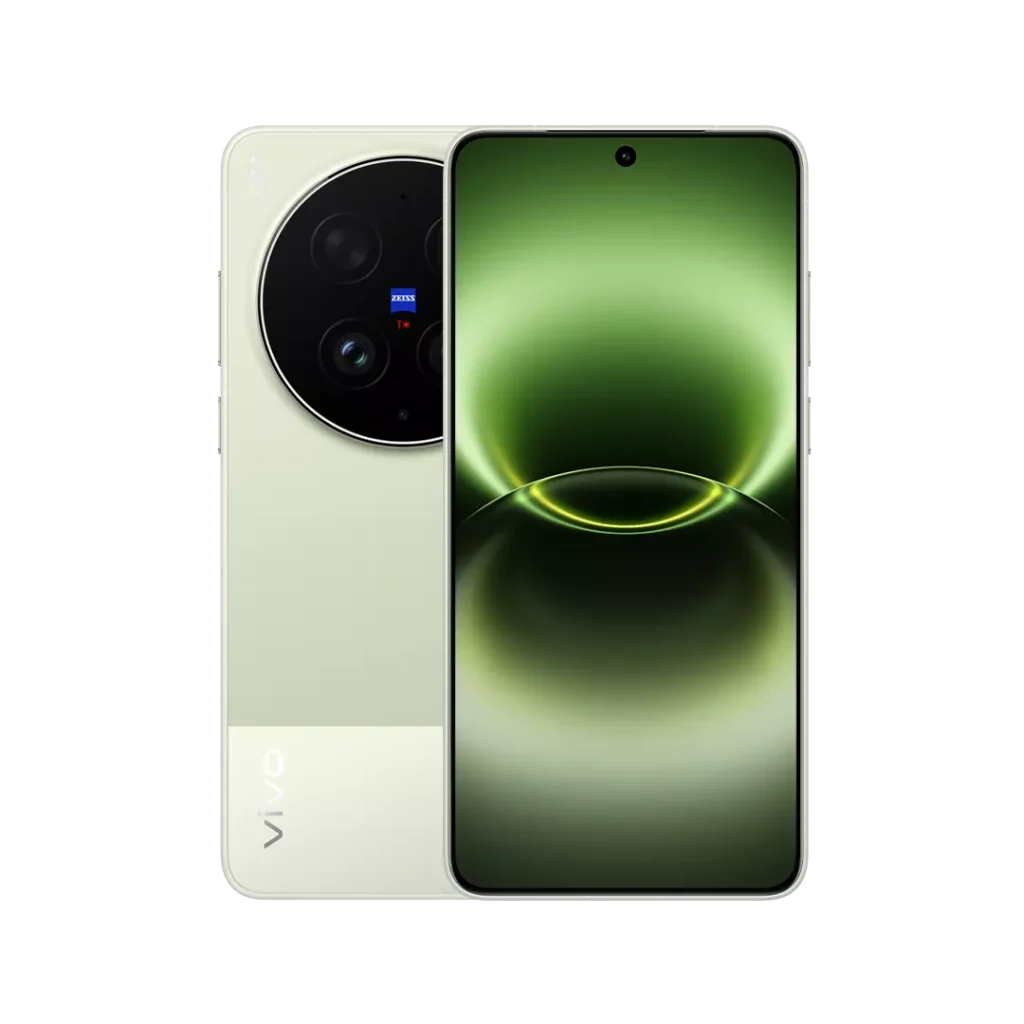
The rest of the phone refuses to coast on the lens. A 6,510mAh battery outlasts everything else here, 90W charging refills it in a hurry, and IP68 plus IP69 ratings mean it survives both a dunk and a pressure spray.
The one real problem is buying it. Vivo sells the X300 Pro mainly across Asia and Europe, so it is not sitting on a US carrier shelf. If you can get one where you live and photography is your top priority, it is the pick of the year.
Expert insight: A bigger megapixel number does not mean better photos. The Vivo’s 200MP telephoto helps, but its lead comes from the large main sensor and years of image-processing work, not the pixel count. This is why a 50MP pixel routinely beats a 108MP budget phone in a side-by-side. When you shop for a camera phone, weigh the sensor size and the brand’s processing reputation, and treat the megapixel figure on the box as marketing.
Best smartphone battery life in 2026
If your main gripe with phones is that they die by dinner, look at OnePlus. The OnePlus 15 holds the longest result on the toughest independent battery tests, beating most flagships by hours rather than minutes. Its 7,300mAh cell and an efficient Snapdragon 8 Elite Gen 5 chip deliver close to two full days of real-world use, and it refills quickly when you finally plug in.
Want that endurance for less? The OnePlus 15R sits just behind it for around $200 less, which makes it one of the best smartphone value buys on this whole list if battery is what you care about most.
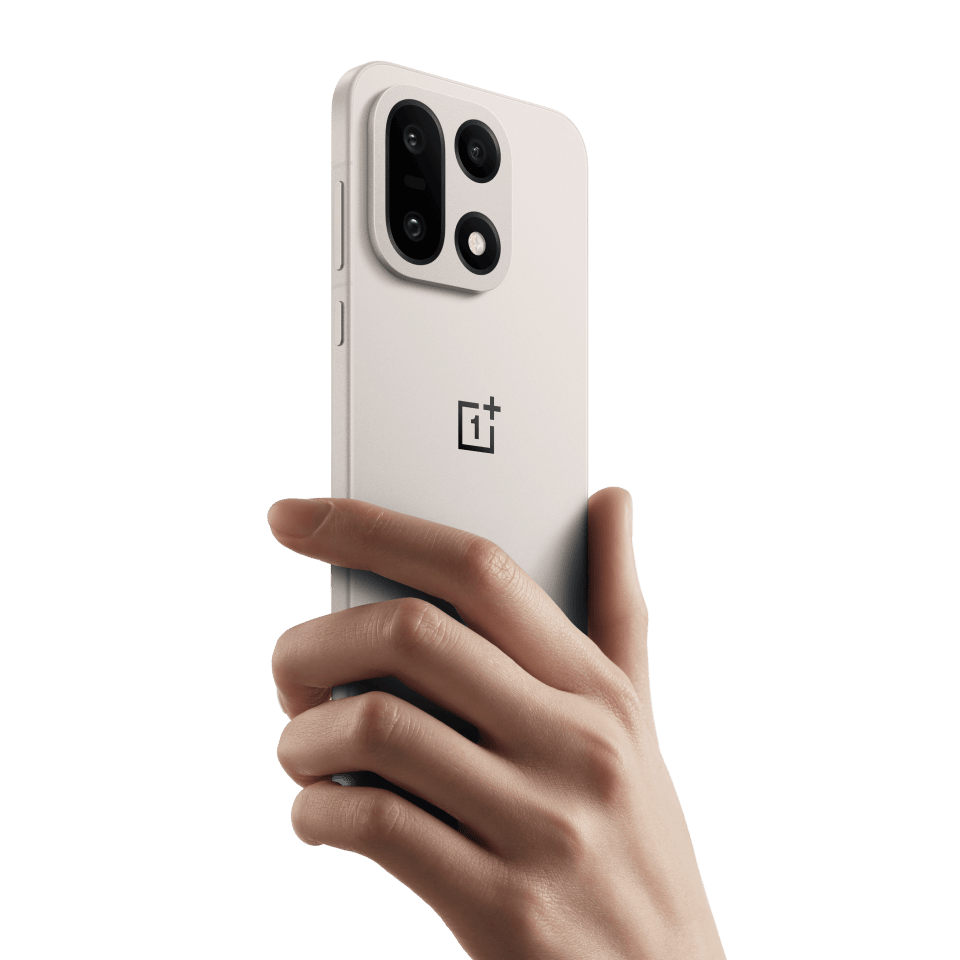
Expert insight: The mAh number on the box is a weak predictor of how long a phone lasts. Chip and software efficiency matter more. The iPhone 17 Pro Max carries a smaller 4,832 mAh battery than several Android rivals, yet still runs near 18 hours in web-browsing tests because Apple tunes its silicon and software as one. A cheap phone with a huge cell and a power-hungry screen can lose to a flagship with a smaller battery. Judge endurance by real test results, not capacity alone.
Best foldable phones
Foldables stopped being a novelty a couple of years ago. In 2026 they are simply phones with an extra trick, and Samsung still runs the category.
Best big foldable
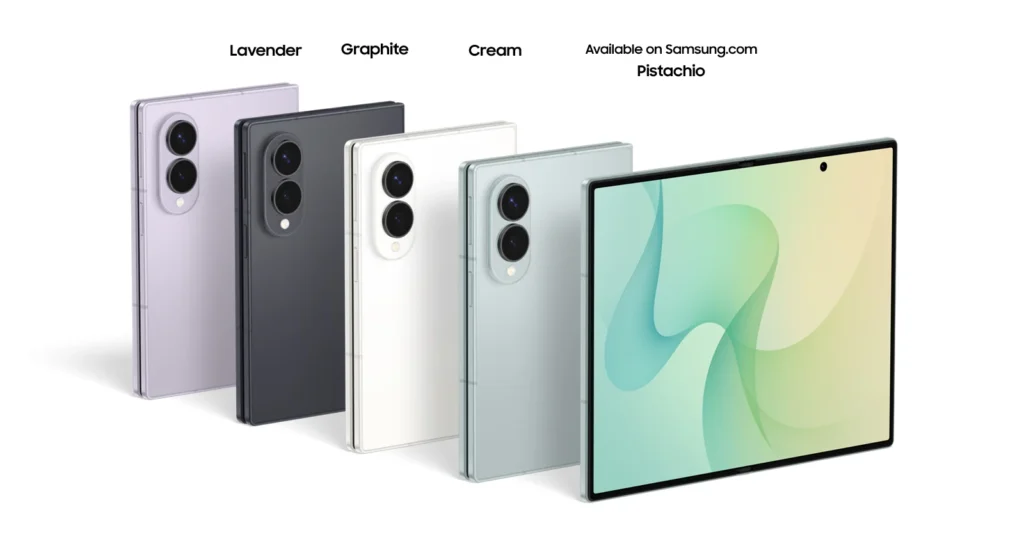
The Samsung Galaxy Z Fold 8 is the one to beat. Unfold it and you get a small tablet, which changes how you read, multitask, and watch things on the go. It is expensive and it is heavy, but no rival matches it as a do-everything device you can still slip into a pocket.
Best flip-folding
If you want something that shrinks into the smallest pocket, the Galaxy Z Flip 8 is among the best smartphone clamshells ever made. The bigger cover screen finally lets you do real work without opening the phone, whether that is following Google Maps or scanning your day. Battery life and performance punch above the price, and its cameras beat the Motorola Razr Ultra on most tests.
Best mid-range phone for most people
Most people do not need to spend flagship money, and the Google Pixel 10a is the proof. At $499 it delivers the strongest mix of camera, screen, and long-term support in its class.
You get a 6.3-inch 120Hz OLED display that stays smooth, IP68 water resistance, wireless charging, and a dual camera built around a 48MP main sensor. The photos land close to what the pricier Pixels produce, just at lower resolution. Best of all, Google promises seven years of updates, so this phone will still be safe to use in 2033.
The compromises are honest ones. The base model starts at 128GB, so the 256GB version at $599 makes more sense for most buyers. Google also reused last year’s chip instead of moving to the Tensor G5, which shows up in demanding games but nowhere else.
Strong mid-range alternatives
The Pixel is not the only good option in this bracket. A few others earn a look depending on what you care about:
- iPhone 17e at $599 for anyone who wants iOS on a tighter budget and values clean video.
- OnePlus 13R for people who put fast charging and battery life ahead of camera quality.
- Samsung Galaxy A57 5G if you want a larger screen and Samsung’s One UI.
- Nothing Phone (4a) Pro for a distinctive design and a real periscope telephoto lens at this price.
Expert insight: Update length is a price tag in disguise. Apple and Google now promise around seven years of software and security updates on their 2026 phones, while Samsung offers five on its flagships. Spread across that lifespan, a $500 Pixel 10a that stays current for seven years can work out cheaper per year than a $250 phone that stops getting patches after two. Most people now keep a phone for around 32 months, and often longer, so update length deserves a spot near the top of your checklist, not an afterthought once the camera and screen have won you over.
Best budget phone under $300
Spend around $300, and the Moto G Power (2026) is the sensible choice. Battery life is its whole personality, and it lasts. It also carries IP68 and IP69 ratings, which is rare for this cheap, so a rainstorm or a dropped-in-the-sink moment will not kill it.
The trade-off is the screen. Motorola fits an LCD panel rather than OLED, so blacks look grey and colors lack the punch you get one tier up. Performance handles calls, messaging, streaming, and navigation without drama, but it is not built for heavy gaming. If durability and endurance matter more to you than a gorgeous display, it delivers.
For even less money, the Samsung Galaxy A16 5G covers the basics, and the Nothing CMF Phone 2 Pro is worth a look if you want something with a bit more character.
What most buying guides get wrong about “best”
Expert insight: Here is what most guides miss. “Best” is not a fixed target. It moves with the calendar.
Every ranking you read is a snapshot, and the phone market resets itself three or four times a year. A phone that tops a list in January can be mid-pack by September once newer models arrive and older flagships get discounted. The Pixel 10 Pro XL is a live example. It slipped in price the moment the Pixel 11 landed, which turned a $1,200 phone into a smarter buy than it was at launch.
The lesson is simple. The best smartphone value is often last year’s flagship, bought a few months after the new one ships. You lose almost nothing you will feel in daily use, and you save real money. Chasing the newest model on release day is the most expensive way to own a phone. Before you buy anything on this list, check today’s actual selling price, not the launch price, because promotions and carrier deals shift the math constantly.
How to pick the best smartphone for you
Skip the spec obsession and ask yourself four questions instead. Your answers will point you at the right phone faster than any benchmark.
What do you already own? If your earbuds, watch, and laptop are Apple, the iPhone 17 Pro Max or the iPhone 17e will feel seamless in a way no Android phone can match. If you live in Google’s apps, a Pixel makes more sense.
What do you photograph? Casual shooters are covered by any phone here. If photography is a genuine hobby, the Vivo X300 Pro or a Pro-tier Pixel is worth the stretch.
How long will you keep it? Buying for five years or more tilts the decision toward the Pixel line and its seven years of updates, or an iPhone, which Apple supports for a similar stretch.
What is your real budget? Be honest about the ceiling. The jump from a $500 Pixel 10a to a $1,300 Galaxy S26 Ultra buys you a sharper camera and a bigger screen, not a phone that runs your messages or maps any better.
Answer those and the shortlist writes itself. One more habit will save you money: wait for a sale. Phone prices drop fast, and patience of a month or two often knocks $100 or more off the sticker.
People also ask
- Which phone has the best smartphone battery life in 2026? The OnePlus 15 leads independent battery tests, running past most flagships by several hours on a single charge. The OnePlus 15R and the Moto G (2026) also post standout times, and the iPhone 17 Pro Max is the longest-lasting iPhone Apple has made.
- Is it worth buying a flagship or a mid-range phone? For most people, a mid-range phone like the Pixel 10a is the smarter buy. You get a strong camera, a smooth screen, and years of updates for around $500. A flagship earns its price only if you shoot serious photos or video, want the largest screen, or need the extra power for heavy gaming.
- Do Samsung phones get as many updates as iPhones? Not quite. Samsung offers five years of updates on its 2026 flagships, while Apple and Google promise around seven. Five years covers most owners comfortably, but if you plan to keep a phone past that or care about resale value, a Pixel or iPhone stays current and secure for longer.
- Should I buy a phone now or wait for a deal? If your current phone still works, waiting for a sale often saves $100 or more. Amazon’s Prime Day in June and Black Friday in November bring the deepest discounts, and buying last year’s flagship a few months after the new one ships is the reliable way to pay less for nearly the same phone.
- Is the Pixel 10a better than the iPhone 17e? It depends on which side of the Android and iOS line you sit on. The Pixel 10a costs less at $499, has a more versatile dual camera, and gets seven years of updates. The iPhone 17e is faster and records better video, and it is the obvious pick if you want into Apple’s ecosystem on a budget.
- Are foldable phones worth it in 2026? Yes, if the shape solves a real problem for you. A Galaxy Z Fold 8 doubles as a small tablet for reading and multitasking, and a Z Flip 8 folds down to fit a tiny pocket. You pay a premium and carry a little extra weight, so they suit people who value the form factor over pure specs.
- Which is better, OnePlus or Samsung? OnePlus wins on battery life, charging speed, and price. Samsung wins on cameras, software support, and extras like the S Pen. Choose OnePlus for the most performance and endurance per dollar, and Samsung for the most complete and longest-supported Android package.
The bottom line
There is no single best smartphone in 2026, only the best phone for how you live. The Pixel 10 Pro XL is the safest recommendation for most people because it does everything well and now costs less than it did at launch. The iPhone 17 Pro Max is the pick for Apple households and video shooters, and the Galaxy S26 Ultra is the phone for people who want maximum hardware and love to customize.
If your budget is tighter, the Pixel 10a proves you can spend $500 and barely notice what you gave up. Whichever way you lean, do one thing before you tap buy: check today’s real price against the launch price. In this market, timing your purchase is worth as much as picking the right model.
FAQs
What is the best smartphone to buy in 2026?
For most people, the Google Pixel 10 Pro XL is the best smartphone to buy in 2026. It pairs the cleanest version of Android with a camera that gets the shot right without any fiddling, and its price has dropped since the Pixel 11 launched in August, which makes it better value now than at release. If you are tied to Apple, the iPhone 17 Pro Max is the strongest iPhone, and Android power users who want maximum hardware should look at the Galaxy S26 Ultra. There is no universal winner here, only the phone that fits how you already work and what you already own.
Is the iPhone 17 Pro Max or the Galaxy S26 Ultra better?
They are close enough that your existing gadgets should decide it. The Galaxy S26 Ultra wins on raw hardware, with a 200MP camera and a built-in S Pen, backed by the faster Snapdragon 8 Elite Gen 5 chip. The iPhone 17 Pro Max pulls ahead on video recording and battery endurance, and it slots in neatly with an Apple Watch or MacBook. In most side-by-side reviews the Galaxy takes the overall Android crown by a narrow margin, but if half your devices carry an Apple logo, the iPhone is the easier phone to live with day to day.
What is the best budget phone in 2026?
The Moto G Power (2026) is the best smartphone at around $300, thanks to marathon battery life and rare IP68/IP69 protection at this price. Its weak point is the LCD screen, which looks flat next to the OLED panels on pricier phones. If you can stretch to $499, the Google Pixel 10a is a real step up in camera quality, screen, and update support, and it is the phone we steer most budget buyers toward. Below $300, the Samsung Galaxy A16 5G covers the essentials without frustrating you.
Which phone has the best smartphone camera in 2026?
The Vivo X300 Pro took the top camera score of the year, combining a large main sensor with a 200MP telephoto for shots that rival a dedicated camera. It sells mainly in Asia and Europe, so many buyers will not find it easily. If you cannot get one, the Galaxy S26 Ultra is the best smartphone widely available camera phone, and any Pro-tier Pixel is the pick for people who want great photos with zero effort. Sensor quality and image processing matter far more here than the headline megapixel figure.
How long should a new phone last?
Plan on four to seven years of real use. Apple and Google now provide around seven years of software and security updates, and Samsung offers five on its 2026 flagships, so support is rarely the limit anymore. The battery is usually the first thing to fade, often after two to three years of daily charging, and a replacement cell brings most phones back to life for a fraction of the cost of a new handset. Keeping a phone longer also improves its value per year, which is exactly why update length is worth checking before you buy.